Fruit grown with renewable energy enters the Korean market
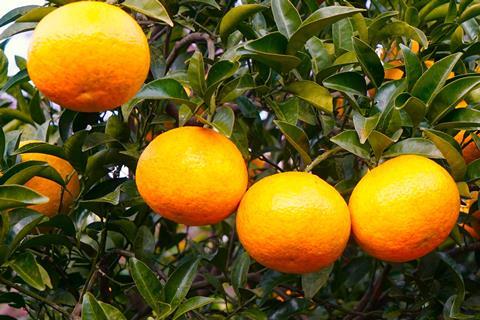
Efforts to develop more sustainable production methods in Korea have hit a new milestone as the first citrus fruit grown with 100 per cent renewable energy hit the market.
According to a report from Korea Bizwire, the provincial government of Korea’s Jeju Island launched what it called “RE100 citrus” at the Jeju Agricultural Research and Extension Services at the end of January 2026.
RE100 is a global initiative through which multinational companies commit to sourcing 100 per cent of their energy needs from renewable sources. RE100 citrus is the first full-scale application of the model to fruit production in Korea.
In this case, renewable energy, including solar power, air-source heat pumps and energy storage systems, has been used to meet all heating and electricity needs.
The project stems from a pilot programme that began in January 2025 at a greenhouse facility in Seogwipo, where the province installed solar systems, along with energy storage units repurposed from used batteries.
The operation has since completed technical verification and certification, confirming 100 per cent renewable energy use.
According to the report, the Jeju government plans to expand the model to two commercial citrus farms and develop disaster-resistant standard greenhouse designs. It also intends to promote RE100 certification with labelling and branding.
“RE100 citrus shows that Jeju’s energy transition has taken root in everyday farming,” Governor Oh Young-hoon said at the launch event.
“If farmers can grow fruit with rooftop solar while also selling electricity, renewable energy becomes not just a cost-saving tool but a new source of income. The essence of Jeju-style RE100 agriculture is turning residents from energy consumers into energy producers.”