With traffic around the Cape set to increase sharply because of the conflict in the Middle East, there are now other risks facing global fleets

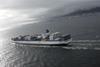
Safmarine vessel Cape Town

Image: Safmarine

South African ports, and those responsible for security around the treacherous waters at the southern tip of Africa, are preparing to face risks different to those experienced because of war in the Middle East.

Reignited conflict in the Gulf brings back memories of 1967, when the Suez Canal was closed for a lengthy period and international sea trade reverted to the ancient ocean routes between the east and the west.

At the time, the South African ports were congested with vessels seeking some sort of assistance, while several maritime disasters in the southern waters threatened the coastline and other ships. 

Several of the world’s major shipping lines have now suspended operations in the Middle East due to a deteriorating security situation as military conflict escalates in the region.

This shift is expected to disrupt a crucial global shipping route, compelling vessels to add another 15 days to their journeys, accompanied by increased costs. 

Despite the Cape of Good Hope route requiring an extra 4,000 miles around Africa, it is now considered a safer alternative by many companies.

Shipping experts say if the disruption continues and many additional vessels head around the Cape, it will bring its own problems.

“There will be increased opportunities for South African operators to service these fleets when required, but it is a question whether the local ports can deal with these activities,” one expert said.

They noted that the world of shipping has moved on since the 1960s and 70s, with modern vessels staying at sea for much longer periods.

“These huge container vessels will encounter very different conditions in the South Atlantic than they do in the calmer waters of the Gulf and surroundings,” they outlined.

“In the 1970s South Africa had several of the best deep-sea rescue tugs which could be employed in emergencies, such as the deep-sea salvage tugs, John Ross and Wolraad Woltemade, but these capacities are now gone.”

South Africa’s own exports are at risk due to inefficiencies in its ports, particularly the port of Cape Town – and this year vessels had to wait outside in Table Bay for more than 14 days to get a berth.

“It is therefore a question if the South African ports are ready for the additional traffic resulting from the conflict in the Middle East.”

The region will soon enter the winter months, and seasonal storms in the South Atlantic can be vicious.

“For the sake of safety at sea, let’s hope that the war in the Middle East ends soon and the world sea trade can return to normal,” an observer noted.