Logistics operator says AI-powered inspections, automated warehousing, and connected sensors can give companies end-to-end visibility
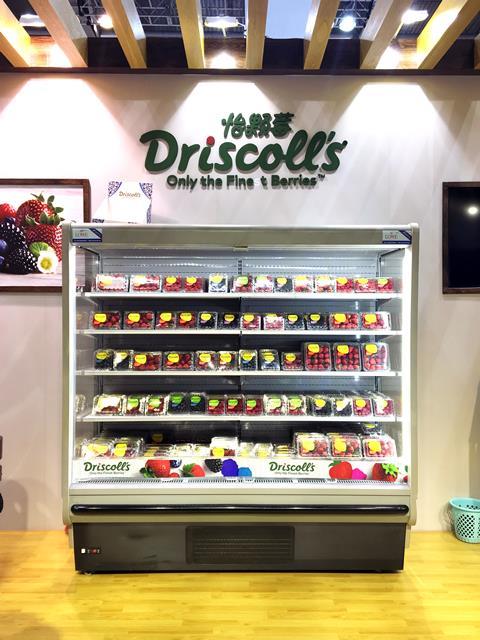
Asian cold-chain logistics operator VX Logistics says it is helping major fresh fruit brands like Driscoll’s, Zespri, Envy and Rockit to gain greater control over product quality in China by using artificial intelligence, automation, and real-time monitoring across their supply chains.
The company, which operates a cold-chain logistics network across Asia, said it had deployed AI-powered quality inspection, automated warehousing equipment, and internet-connected sensors to monitor fresh produce from arrival through storage, processing and distribution.
It has also apparently developed a delivery robot that is being used to replenish retailers at 61 metro stations in Shenzhen.
In a press release, VX Logistics said the technology was intended to give fruit producers greater visibility over factors including temperature, handling, and product condition as international brands expand in China and Chinese producers look to overseas markets.
Its customers include the world’s biggest berry brand Driscoll’s, with which it said it had supported the annual launch of close to 200mn boxes of berries.
Its partnership with New Zealand kiwifruit marketer Zespri, meanwhile, is understood to span more than a decade.
“Each of these technologies is powerful on its own, but their true value emerges when they work together – data flows from the point of origin to end customer, and quality becomes predictable and controllable,” said Emma Wu, chair of VX Logistics.

”A growing number of international brands are now registering Chinese brand names”
Quality control
According to Wu, a large number of overseas fresh fruit brands are stepping up their presence in China, while many domestic brands now show a strong desire to go global.
“A growing number of international brands are now registering Chinese brand names, setting up dedicated consumer brand teams, and increasing their investment at the retail end,” she said.
“The essence of branding lies in brand owners extending their quality commitment to the end consumer. This, in turn, requires them to maintain effective control of product condition at every link of the domestic supply chain. The same applies to Chinese brands going global.”
In the past, she suggested, imported fruit essentially entered a “black box” in terms of quality preservation once it arrived at a Chinese port.
As a result, brand owners had no visibility over key metrics like arrival temperature, handling status, or outbound records across the supply chain.
Technology is changing this, she argued, allowing improved visibility, better product consistency, and earlier warnings if things go wrong. “Cold-chain logistics is not a cost centre – it is a value center,” she concluded.