Fruit and vegetable imports are up 30 per cent in value through the first five months of 2026

It’s been a strong start to the year for Vietnamese fresh produce imports, with customs data showing a significant rise in value through the first five months compared to 2025.
According to a report from VnExpress, Vietnam spent US$1.3bn importing fruit and vegetables through the end of May, a 31 per cent increase compared to the same period last year.
The majority of Vietnam’s leading suppliers recorded growth. The value of imports from the top supplier, China, was up 49 per cent year on year. The Second-ranked US saw a 32 per cent rise and suppliers including Cambodia, Australia, Thailand, New Zealand, and India also saw increases of 26-70 per cent.
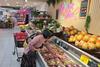
The report noted increased supply had given consumers more options and caused some prices to come down; one fruit stall owner at Pham Van Hai market in Tan Son Hoa ward said imported goods currently account for about half of the products on display.
“Most customers buying gift baskets choose imported goods because of their uniform designs, attractive colors, and longer shelf-life,” the stall owner said.
Dang Phuc Nguyen, general secretary of the Vietnam Fruit and Vegetable Association, said this trend reflected Vietnam’s growing integration with the global market.
“With the signing of numerous FTAs, imports have also increased. This is a principle of mutual benefit for all participating parties,” he said.
Tariffs on US apples and cherries have decreased in recent years and most Chinese fruits will enjoy a 0 per cent import tariff if they meet the rules of origin under the ASEAN-China Free Trade Agreement.
Despite the growth, the imported fruit market is still facing challenges. According to industry sources, consumers are feeling the effects of inflation caused by the Middle East conflict, while new government regulations are creating hurdles for the trade.
Data from the National Statistics Office revealed that the consumer price index rose by 4.31 per cent year-on-year in the first five months of 2026 and housing, utilities, fuel, and construction materials prices saw the steepest rise, 6.64 per cent.
Le Dat Chi, head of the finance faculty at the University of Economics Ho Chi Minh City, told VnExpress, that “even after tightening their belts, many families find it difficult to save because the prices of most essential household items like housing, food, and school fees are rising at once”.
Vietnam also introduced a new tax declaration system and new food safety regulations within the past 12 months, which have impacted small businesses, mom and pop stores and the import supply chain. In the case of the new tax system, the government has since implemented new measures to support the transition.
At a workshop in February, household business owners – which are a vital outlet for imported fruit in Vietnam – shared their experiences with tax authorities, highlighting real-world challenges with the changes.
In February, the Vietnam Logistics Business Association shared its concerns that the rollout of new food safety regulations could cause serious bottlenecks, according to a report from Vietnamnews, the government has since suspended some parts of the regulation as it works to implement a smoother, full transition.