Green Alliance analysis urges forthcoming Horticulture Sector Growth Plan to deliver support for domestic growth
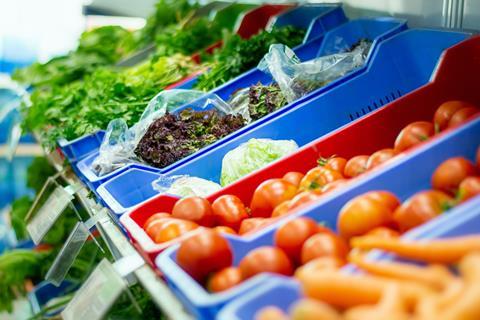
Expanding domestic horticulture to replace half of fruit and veg imports with homegrown produce could generate £1.9 billion in additional value for British farms, according to new analysis from environmental charity and think tank Green Alliance.
The report estimated this would require just 0.3 per cent of the UK’s farmed area, while raising overall food self-sufficiency to 66 per cent – a level last seen in 2000.
Indoor production would account for 68 per cent of additional farmgate value, the analysis found, enabling a year-round supply of fresh produce and reducing exposure to supply chain distruption and extreme weather.
The UK currently relies on imports for 44 per cent of its vegetables and 86 per cent of its fruit, while domestic fresh produce production has fallen 16 per cent since 2015.
Recent extreme weather in the UK, including drought and scorching temperatures, has highlighted the vulnerability of domestic supply. Wholesalers have been forced to import vegetables including lettuce and broccoli from Spain during what would normally be the height of the UK growing season.
Meanwhile, export countries have also faced shortages as exteme weather events continue to affect crop production around the world, increasing supply chain pressure.
The findings come in anticipation of the forthcoming Horticulture Sector Growth Plan, which Green Alliance hopes will deliver support to the nation’s health, food security and economy.
The report identified other key requirements of the plan including the development of a national spatial strategy, lower and stabilised energy costs and government-back loans.
It also highlighted the potential for policy to support public health. The implementation of mandatory sales targets for large retailers could act as an incentive to change promotions, product positioning and store layouts towards healthier foods, it stated.
Alignment with England’s Land Use Framework and wider policy reform such as a Good Food Bill could further provide the basis for co-ordinated, cross departmental action to expand domestic production, the report found.