South Africa’s stonefruit protocol with China is set to be formally signed in Beijing next week, with the inclusion of cherries confirmed
South Africa’s new protocol for stonefruit exports to China will finally be signed between the two countries’ agriculture ministers next week.
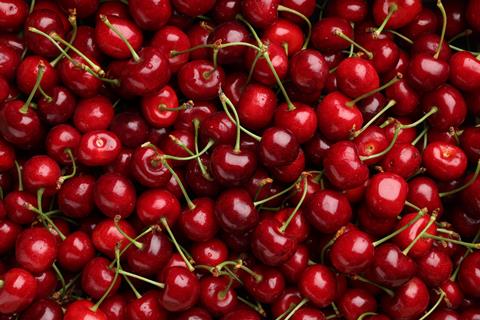
The initial protocol was signed last year, but Fruitnet has learned that South African cherries will be included in the final protocol signing in Beijing.
South African blueberries will then move to centre stage, but it is debatable whether this will be in place this season.
Lately, though, access negations between South Africa and China have moved forward at a greater pace than in the past.
All the main categories including apples, pears, grapes, stonefruit, citrus and avocados already have access.
In their cases the industries noted that they are now hoping a new comprehensive trade agreement between South Africa and China moves ahead quickly.
For South Africa, blueberry exports are still very small to global markets, with the country exporting 26,000 tonnes in 2025.
Peru shipped 683 tonnes of fresh blueberries worth US$6mn to China between weeks 18 and 25 this year, an increase of 86 per cent in volume and 88 per cent in value compared to the same period last year.
When they gain access, the South Africans are likely to pick their marketing windows very carefully.
For South African stonefruit, the next season – starting in October – will be the first full campaign of exports to China.
Over the past decade the South African stonefruit sector has been transformed by the planting of a whole range of new varieties which are expected to appeal to the palate of Chinese consumers.
It is expected that main exports will focus on nectarines and plums, and mostly mid-season to late varieties during January and February.
The Beijing meetings will follow this week’s Asia Fruit Logistica in Hong Kong, where the South African export industry is meeting with the trade and promoting discussions with other countries in the region.
The South African citrus industry announced better import protocols to India recently. This is expected to streamline the import logistics into India and benefit the general quality for South African citrus, improving consumer acceptance.
These talks have greater significance in the light of disruptions to world trade due to tariff wars and the conflict in the Middle East.
It is emerging that the disruption of normal supply to the Middle East is particularly problematic, at both trade and production level.
South Africa normally supplies 20 per cent of its citrus to the Middle East, and although other categories have somehow still continued trading at great cost, it is inevitable that fruit is being diverted to other markets.