Rain, fog and warm winter weather spur early maturity and excessive fruit drop for navels, lemons and mandarins
As California’s winter citrus season reached its February mid-way point, it was marked by a number of challenges.
Growers in the San Joaquin Valley – the state’s primary growing region – have been contending with an abundance of large-sized navel oranges and lemons that markets typically do not prefer. Mandarins, now California’s second-leading variety for volume, have experienced excessive fruit drop which has reduced the crop to one of the shortest packouts in years, leading to expectations of an early end to the season.
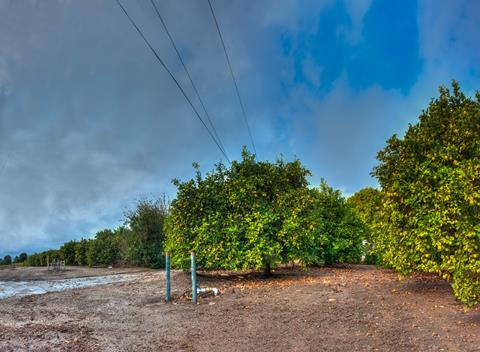
A common thread impacting the California winter citrus season has been challenging weather conditions. Beginning in mid-November, the state was repeatedly visited by exceptionally wet storms that have officially rendered California drought-free for the first time this century. The San Joaquin received its share of the precipitation, which generated a persistent fog that has kept overall temperatures relatively mild, spurring on fruit maturity.
“It’s been a warm winter and the trees have never really shut down and gone into dormancy,” notes Marc Golden of Umina Bros. “What we’ve needed is clear nights and near-freezing temperatures to slow down maturity. It’s getting to the point where we’re beginning to see some quality issues with this fruit. In my opinion, this lack of dormancy is what is behind all the droppage with the mandarins.”
Steve Holly of Voita International Produce says the weather has also delayed the navel harvest this year.
“It’s been so wet in the orchards from all the rain and fog that fruit that should have been picked in late December or early January is still around in February,” he says.
In the meantime, navels have continued to grow – getting to the point where a significant percentage of the crop is too large for most markets.
“The large size curve is a drag on the market,” says California citrus veteran Tom Wollenman. “This year’s crop is running about two times the diameter of last year and it’s beginning to impact the overall pricing structure of this year’s crop.”
Golden says that if the storms continue it will further delay the harvest, and fruit will continue to mature.
“We are already seeing this in both navels and mandarins,” he says.
The full version of this article will be published in the upcoming edition of Asiafruit Magazine. To read more about California’s citrus industry subscribe HERE.