Anrin Logistics is increasing customs work against a backdrop of lower consumption and market risk aversion
Netherlands-based fresh produce logistics service provider Anrin Logistics is enjoying strong development despite the current difficult trading environment.
The Bleiswijk-headquartered company is increasing is customs work, as well as its import-export customs clearance, and will be AEO certified at the start of the year, according to customs manager Andre Heijl-Shermetova. Anrin is also implementing a warehouse management system into its enterprise resource planning, he says, while taking on two new employees.
The market itself, however, is not currently a particularly favourable one, Heijl-Shermetova notes, with consumption low.
“There is a lot of risk aversion, less market anticipation and more just in time deliveries, with less long-term storage and less volume which results in fewer added value services like re-packing,” he tells Fruitnet. “We see increased labour cost and shortages, which have a negative impact on value added service, are more expensive and of a lower standard.
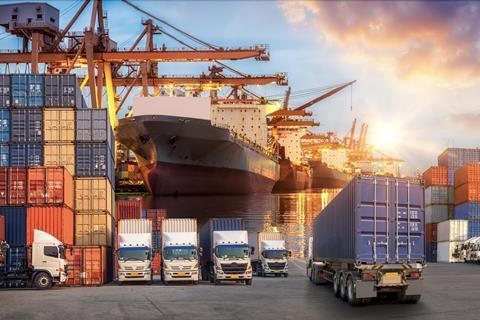
“There is also Increased congestion in ports, with long waiting times for trucks and uncertain delivery times for containers, which makes it difficult to plan phytosanitary inspections and ensure consecutive transport,” Heijl-Shermetova continues.
In terms of products, Anrin is anticipating growth in both Dominican Republic and Brazilian mangoes in the coming year after a stable 2025. Brazilian ginger “had its ups and downs”, he says, while also confirming that the past Brazilian sweet potato season was tough.
Looking ahead, the company sees growth opportunities in eastern and southern European customer bases, while there is re-export and documentation potential in the Russian market. Anrin is also exploring the potential for renting its own warehouse instead of outsourcing, according to Heijl-Shermetova, as well as eyeing more efficient technologies.
“We keep looking at ways to implement new technologies that streamline the flow of information to avoid duplication and less manual data capturing,” he adds. “We also consider AI for defect and cosmetic deviation recognition on fruit and for disease, and technology that ensures quicker QC inspection times.”