Rise in mango and apple shipments lead export charge, with EU-Mercosur deal expected to create new opportunities for exporters

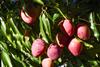
Brazil mangoes San Francisco Valley

Image: Adobe Stock

Brazilian fruit exports grew 25 per cent in value in the first quarter of 2026 to US$351mn, according to national fruit association Abrafrutas. The increase was mainly driven by stronger international demand for products such as mangoes and apples. A total of 330,000 tonnes of fruit was shipped between January and March, an increase of 13 per cent on the year-earlier period.

Mango exports grew 69 per cent in value and 50 per cent in volume, while apple exports jumped 215 per cent in value and 228 per cent in volume. Shipments of other fruits, such as avocados, melons and watermelon also increased year-on-year. Grapes bucked the trend, with shipments falling due to climate issues.

Abrafrutas said the sector’s positive performance was due to improved product quality, consistent supply, and market diversification. “The expectation is that new trade agreements will be signed soon, increasing the competitiveness of Brazilian fruits in the international market,” it noted.

Friday, 1 May marked the starts of the provisional implementation phase of the EU-Mercosur Free Trade Agreement, creating one of the world’s largest free trade zones with around 720mn consumers.

The deal, which ushers in the gradual elimination of tariffs on most agricultural products, is seen as a net positive for Brazilian exporters – but with important caveats. Regarding fruit, the agreement’s impact differs depending on the product. Some categories, such as table grapes, will have zero tariffs as soon as the agreement comes into effect, while others will follow reduction schedules over four, seven, or even ten years.

Abrafrutas president Waldyr Promicia, described the scenario as mixed, but positive. “It depends on the fruit. There are products with immediate zero tariffs and others with a tariff reduction schedule,” he said.

He said while it was still too early to estimate the impact it would have on export volumes, the deal would undoubtedly create new opportunities in the European market. Abrafrutas has been preparing exporters to navigate the documentation and phytosanitary requirements demanded by European buyers.

Daniel Vargas, a professor at the Getulio Vargas Foundation, noted that while tariff reductions would broaden access to Europe, consolidating Brazil’s competitiveness in the market would require internal adjustments around data organisation. “It’s not a production problem. It’s a compliance architecture problem,” he stated.