South Africa’s key fruit export gateway has seen an uptick in performance during the peak grape and stonefruit season
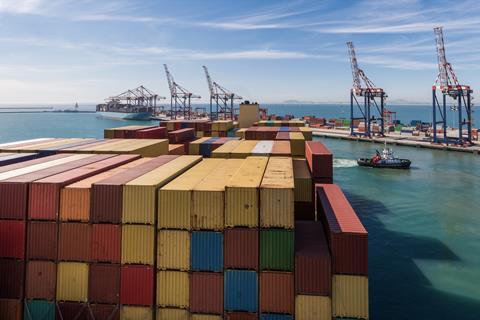
There are indications that the logistical performance of the port of Cape Town has improved since mid-December, but wind delays continue to be a problem.
In general, Cape Town has suffered one of its worst years of delays caused by wind – with the notorious south-easter, or so-called Cape Doctor, not only hitting the container terminal, but also affecting tourists on the Cape’s iconic beaches.
Now it seems as if the port’s performance has improved, particularly given vessels had to sail without many containers in early December.
The table grape and stonefruit seasons are now in their peak, with producers reporting excellent growing conditions.
The first of the season’s pear volumes are also now arriving in port, and the first apples will soon follow.
Good performance at the port of Cape Town is vital to a successful export operation. That is why observers have welcomed the recent announcement of an extension of the successful Public Sector Partnership (PSP) project implemented during the 2024/25 deciduous fruit export season.
The announcement by stakeholders in the export-orientated fruit value chain, together with the Western Cape Government and Transnet Port Terminals (TPT), noted that the renewed campaign to support operational readiness at the Cape Town Container Terminal (CTCT) will include the deployment of additional equipment.
“A key objective of reinstating this project is to ensure that both the terminal and the fruit industry remain fully prepared for unforeseen operational disruptions, such as multiple windbound days,” said Piet de Jager, CEO of the Fresh Produce Exporters’ Forum (FPEF).
“This preparedness is essential to preserving fruit quality, preventing losses, and ensuring that South Africa continues to uphold its reputation as a trusted global supplier of consistent, high-quality fruit.”
South African Table Grape Industry CEO Mecia Petersen said the agricultural sector remains fully committed to working alongside government and other public sector stakeholders to strengthen critical export infrastructure.
“This partnership reflects the industry’s proactive approach to safeguarding South Africa’s international competitiveness,” she explained.
”By investing collaboratively in practical solutions such as additional reefer capacity, we are protecting export markets, supporting jobs, and contributing to long-term economic growth.”