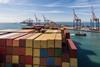
Logistics continue to be a problem for South African grape growers who use the container port in Cape Town

With the Port of Cape Town now ranked as the worst in the world, the South African Table Grape Industry (Sati) has revealed that its share of grape exports has declined significantly.
Cape Town found itself ranked 400th in the 2025 Container Port Performance Index (CPPI), compiled by the World Bank and S&P Global Market Intelligence.
The index is based on observed vessel time in port, with it effectively measuring the turnaround time for container ships entering 400 ports around the world.
Its poor performance also brought great logistical problems for the country’s stonefruit growers, who pointed out that things will have to change dramatically before the start of the next season.
Sati said the past South African season commenced in a challenging global marketing environment.
A later-than-usual Northern Hemisphere season, combined with increased exports from other Southern Hemisphere suppliers such as Brazil and Peru, resulted in heightened competition and price pressure in key markets, particularly Europe.
These market challenges were compounded by severe wind disruptions and operational constraints at the Port of Cape Town during peak export weeks.
The resulting delays led to stock buildups, increased use of alternative ports and significant pressure on the export supply chain.
Sati chairman Alwyn Dippenaar told growers at the organisation’s AGM that consequently, the Port of Cape Town’s share of total exports declined from 90 per cent in the previous season to 76 per cent as volumes were redirected through Eastern Cape ports.
“Volumes exported through Eastern Cape ports increased from 6 per cent in the previous season to 21 per cent, but this was achieved at great additional cost to the industry,” he noted.
The financial impact of these disruptions was significant, Dippenaar confirmed.
Preliminary estimates suggest that logistics-related inefficiencies cost producers roughly in the range of R30-40 per 4.5kg carton in lost revenue, highlighting the critical role that efficient export infrastructure plays in the profitability and sustainability of the industry.
Sati’s approach, he said, is to continue to engage intensively and constructively with Transnet and other logistics stakeholders to support improvements in port performance and export efficiency.
“We appreciate the openness shown by Transnet senior leadership in engaging with Sati and the broader industry, and acknowledge the efforts currently underway to address operational challenges,” Dippenaar outlined.
While progress is being made, meaningful and sustainable improvements will require ongoing investment, collaboration and commitment over several seasons.
“Efficient logistics infrastructure remains one of the most critical requirements for maintaining the global competitiveness and long-term sustainability of the South African table grape industry,” he added.