Leading cherry marketer Tru-Cape reports an exceptionally early start to the South African cherry season
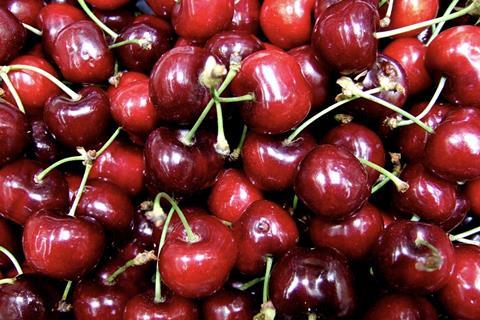
The South African cherry season has started earlier than ever before, with the first fruit harvested in the Western Cape at the end of the first week of October.
Leading cherry marketer Tru-Cape noted that this is two to three weeks ahead of a typical season.
However, the early start comes with a significant drop in production, with cherry volumes in the Ceres area – South Africa’s biggest production region – expected to be more than 50 per cent lower than last year.
Growers in the north of the country, South Africa’s earliest region, have been packing their fruit for some time, but industry experts have said this only provided a small part of the crop.
Tru-Cape said the smaller volumes are largely the result of challenging weather conditions during flowering, which affected pollination and fruit set.
“Despite the reduced volumes, the cherries are showing excellent quality, with fruit sizes up to 30mm and high sugar levels indicating an exceptional eating experience,” The company noted.
“It’s a difficult season in terms of volume,” said Calla du Toit, procurement Director at Tru-Cape Fruit Marketing.
“Many of the early cherries flowered during an exceptionally hot week at the end of August.
”We believe the heat shortened the effective pollination window, resulting in poor fruit set,” he outlined. ”The hot conditions were followed by cold weather, which may also have contributed to some cold damage.”
“While the smaller crop is a setback for growers, the quality of the fruit offers some encouragement.
“Strong local demand, supported by reduced availability, is expected to underpin prices, with Tru-Cape anticipating slightly higher prices than last season,” Du Toit continued.
“The cherries are looking beautiful, and we’re seeing sizes of up to 30mm for the first time. The sugar levels are also very high, so we expect the eating quality to be excellent.
“Although we would naturally prefer a bigger crop, the smaller harvest means we can pay closer attention to picking each cherry at its optimal maturity, with sufficient labour available to do so,” he said.
Advances in technology at one of Tru-Cape’s major packing facilities at Witzenberg Properties are also expected to contribute to improved fruit quality and consistency, helping to deliver cherries in optimal condition to consumers.
Tru-Cape said it will prioritise established retail programmes in the domestic market this season, where demand for cherries remains strong.
Its retail partners include Food Lover’s Market and Freshmark, with Pick n Pay joining the programme for the first time.
Johan Brink, Tru-Cape’s sales director, said the company is also hoping to grow its export business.
“Last year, we exported about 15 per cent of our cherry crop,” he pointed out.
”This season, we hope to increase that to 20 per cent, however, due to the smaller crop and strong local prices, export decisions will need to be carefully weighed against the risks and costs involved.”