Concerns grow that excessive heat will disrupt flowering disruptions, leading to reduced volumes next year
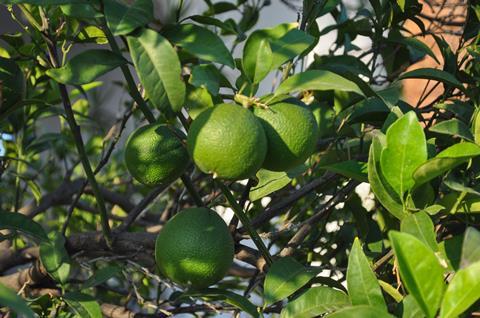
High temperatures caused by El Niño are putting Peruvian lime production at risk. Javier Bereche, president of the Piura Chamber of Commerce and Production, said the heat is hitting trees at a critical stage for fruit formation.
He explained that May, June, and July are crucial months for the flowering of various crops along the northern coast. If temperature conditions do not allow for proper flowering, production for the following season could be compromised.
“Without cold weather, there is no flowering, or the flowering is incomplete or sparse,” he noted.
Bereche said the impact of this year’s high temperatures would be seen primarily during the 2027 season. “We will likely feel the main impact on agriculture starting next year, because that is when the major harvest takes place,” he stated.
If production drops significantly, the reduced availability of limes could drive up prices, especially during the early months of 2027. A potential drop in production does not automatically mean that prices will increase. However, lower supply coupled with steady demand could put upward pressure on prices.
The Chamber of Commerce said the second half of 2026 would be a decisive period for determining the magnitude of any potential production losses or declines.
Bereche stressed that the situation could change later on. If the high temperatures associated with El Niño were to be followed by a return to cooler conditions, this could favour faster flowering.
“After an El Niño event, when the cold snap follows, there is always overproduction because flowering is faster and volumes are higher,” he said.