The non-profit organisation’s three-year plan addresses fair prices, market access and climate adaptation
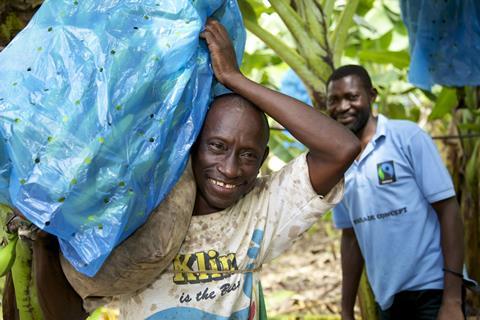
Fairtrade International has launched its Global Strategy 2026-2028, described as ”a bold and innovative plan aimed at building farmer resilience and advancing fair and sustainable trade in the coming years”.
According to the non-profit organisation, the Global Strategy responds directly to immediate market needs and producer realities, such as fair prices, market access, and climate adaptation.
At the same time, it works to strengthen collaboration between producers and businesses enabling them to respond effectively to external pressures such geopolitical instability, climate change, evolving consumer values, and an expanding regulatory market, it said.
“Fairtrade was built for moments like this,” said Marike Runneboom de Peña, global CEO of Fairtrade International.
”With decades of experience supporting farmers and workers through market, climate and supply chain disruptions, we know what is needed.
“Now is the time to pivot, strengthen resilience, and ensure farmers and workers are better equipped to face today’s challenges and those ahead,” she noted.
The strategy is focused on three main goals: fostering sustainable livelihoods, advancing resilient and fair supply chains, and inspiring a collective commitment to fair and sustainable trade.
These are, Fairtrade said, all designed to advance market access, create shared value, and strengthen fairer and more resilient trade.
To achieve these three goals, Fairtrade will implement a series of digital and data solutions that deliver value to farmers and commercial partners.
In addition, an expanded and diversified fundraising programme will allow Fairtrade to invest in training/programmes for farmers and workers.
Runneboom de Peña explained that success for Fairtrade in 2028 will be a world in which farmers and workers are better equipped to respond to economic, social, and environmental shocks, and their livelihoods ”have improved significantly”.
Meanwhile, businesses and producers will have benefitted from supply chains that are more transparent, equitable, and resilient.
“Plus, if this Global Strategy is impactful as we intend it to be, belief, trust, credibility, and participation in the Fairtrade system will have grown thanks to expanding and new partnerships, as well as consumer interest in Fairtrade products,” she said.


