DP World’s latest whitepaper looks at why adaptable trade corridors are becoming critical as established shipping routes face mounting pressure
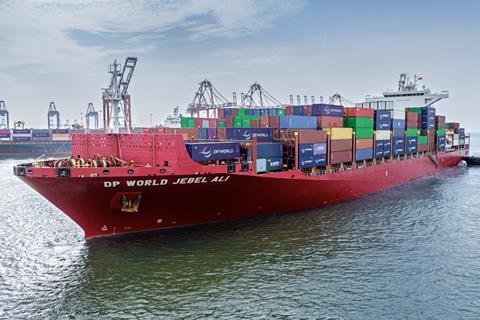
A new whitepaper published by DP World’s Marine Services business has examined how geopolitical disruption, climate pressures and changing trade policies are reshaping global cargo flows.
Released to mark World Maritime Day 2026, ‘Navigating the future of maritime trade’ outlines why more connected, adaptable trade corridors are becoming critical to keeping goods moving.
”As established shipping routes come under increasing pressure, businesses need greater choice in how cargo moves between markets,” DP World stated.
”These shifts are creating a growing role for feeder, coastal and shortsea shipping solutions in connecting emerging production centres and regional ports to major international trade lanes.
”Integrated with inland rail, road and river networks, these services can give businesses more gateways and alternative routes when established corridors are disrupted,” the group said.
Research suggests that global trade is being ”reconfigured rather than reversed”, it pointed out.
DP World’s 2026 Global Trade Observatory found that 94 per cent of more than 3,500 supply chain and logistics executives expect trade growth in 2026 to match or exceed 2025 levels.
“With more than 80 per cent of world merchandise trade by volume transported by sea, agility and the ability to adapt are becoming essential to business confidence and growth,” explained Ganesh Raj, global COO, Marine Services at DP World.
”A key part of this is optimising what we call ‘connected trade corridors’, building more choice and adaptability into the system by linking ports, marine services and inland logistics so cargo has alternative routes when conditions shift.
”The first generation of global trade connected markets. The next must connect those markets through smarter, more adaptable networks,” he noted.
The whitepaper outlines how disruption is no longer episodic, with tariffs and redistribution of manufacturing are contributing to structural shifts in how cargo moves around the world.
”The next generation of global maritime trade will be defined not only by established routes, but increasingly by the strength, agility and adaptability of networks linking regional and global connected trade corridors,” DP World concluded.