Despite challenging global market conditions, Karakuta CEO Grace Ngungi says the Kenyan avocado exporter remains committed to supporting its growers while delivering high quality
Grace, how has the 2026 avocado season been in Kenya so far?
Grace Ngungi: The season has been characterised by higher production but lower export performance. At Karakuta Fresh Produce, production increased by 20 per cent from 2025, largely due to favourable rainfall and improved orchard productivity.
However, despite the increase in production, export volumes have declined significantly, by approximately 60 per cent compared with the same period in 2025. This reflects broader global market challenges affecting the Kenyan avocado industry rather than a shortage of fruit.
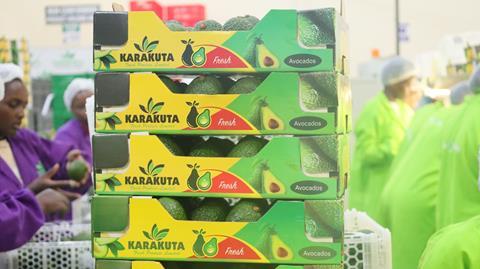
Despite this, Karakuta continues to strengthen its position as a reliable exporter of premium Kenyan avocados. We are focused on expanding our grower network, improving post-harvest handling and increasing our presence in strategic export markets. Global market conditions have been challenging, but we remain committed to delivering high-quality fruit and supporting our growers through a difficult export season.
Have weather conditions been a challenge?
GN: Rainfall levels were generally favourable and contributed to higher production volumes. However, the increased rainfall also delayed fruit maturity. In 2026, the main avocado crop matured in May, later than in previous years. This timing placed Kenyan exporters in direct competition with Peru, which was entering its peak export season.
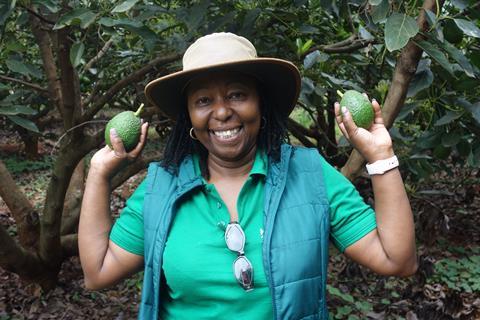
At Karakuta, our production is expected to reach approximately 700 tonnes in 2026, up from 560 tonnes in 2025. The majority of our exports consist of Hass, with limited volumes of Fuerte depending on market demand. While production has increased, export volumes have not kept pace due to market oversupply, increased logistics costs and stronger competition from major producing countries.
What are your main markets? Are they under pressure?
GN: Europe remains our primary export destination, alongside the Middle East and select markets in Asia, which continues to show encouraging growth potential. Europe remains the largest market for Kenyan avocados, but there is significant pressure this season due to increased supply from competing origins, particularly Peru.
As an example, in May Peru exported around 1,000 containers a day, which is a substantial increase on 2025. Approximately 80 per cent of those exports were destined for Europe, the principal market for Kenyan avocados. The resulting supply pressure contributed to lower market prices and increased competition for Kenyan exporters.
Have you been affected by the fallout from the war on Iran?
GN: Yes, the geopolitical tensions and conflict in the region have had indirect consequences for Karakuta’s exports. The industry has experienced higher freight and transportation costs, longer transit periods and increased uncertainty within international shipping networks. These factors have reduced the competitiveness of Kenyan avocados in international markets, particularly when compared with suppliers that benefit from shorter transit times and lower logistics costs.
Are you still able to reach your markets in the Gulf?
GN: Logistics have become more complex and costly, requiring greater planning and coordination with shipping partners. The Port of Jebel Ali is no longer accessible due to security issues. Cargo for the Middle East, for example, is shipped to the port of Khor Fakkan before being trucked to Jebel Ali. Transportation from Khor Fakkan to Jebel Ali costs around US$5,500 extra compared with 2025.
How are you coping with the higher costs?
GN: Rising freight charges, packaging costs, energy costs and agricultural input costs continue to place pressure on Karakuta. We are focusing on operational efficiencies, better supply chain planning and market diversification to remain competitive while maintaining quality standards.
Where does this leave your sustainability efforts?
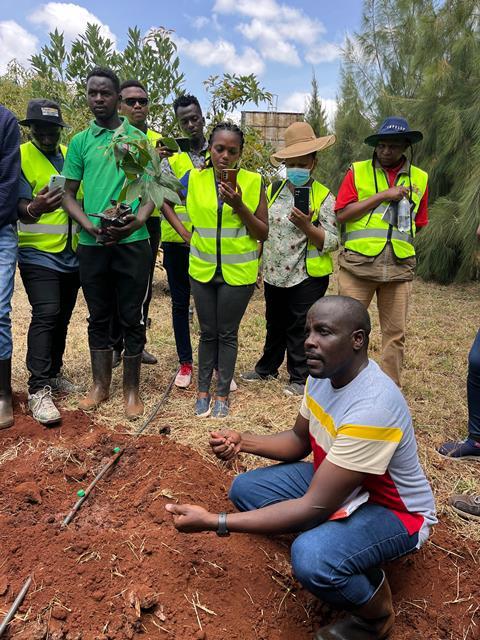
GN: Sustainability remains central to our operations. We work closely with growers to promote responsible farming practices, efficient water management, soil conservation and integrated pest management. We also support smallholder farmers through training programmes, technical assistance and market access initiatives aimed at improving livelihoods and strengthening rural communities. Our objective is to build a supply chain that is environmentally responsible, socially inclusive and economically sustainable.