Spring rains and hailstorms threaten fruit quality and export volumes, says María Teresa Pino
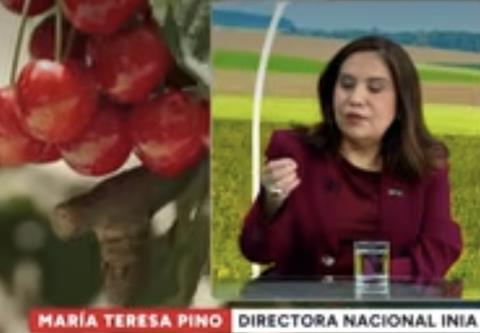
Heavy spring rains and hailstorms are threatening Chilean agricultural production and the quality of fruit destined for export, and El Niño could prolong difficult weather conditions into 2027, according to María Teresa Pino, national director of the Agricultural Research Institute (Inia).
Speaking in an episode of Reporte Agrícola, hosted by Nicolás Vial, Pino outlined the impact of recent precipitation on crops in Chile’s central and south-central regions, warning that the consequences could extend beyond harvest volumes to affect export quality, domestic availability and food prices.
The scale of the rainfall has raised particular concern. In the Metropolitan Region, October 2025 recorded 16mm of precipitation, compared with 156mm in just a few days in one area this year, Pino noted.
The combination of rain and hail can damage blossoms, cause young fruit to fall and leave produce with physical defects. Increased humidity also raises the risk of fungal and bacterial diseases, while wet conditions can hinder bee activity. Frost presents a further threat to leaves and blossoms.
For Chile’s fresh fruit export sector, the damage could have significant commercial implications. Fruit that remains suitable for consumption may nevertheless fail to meet the appearance and quality standards required by international buyers.
“It will impact not only production but also quality – and if we look at the export market, for instance, quality is fundamental,” Pino said.
Produce that does not qualify for export could instead be sold domestically, potentially increasing local supply while reducing export volumes. The extent of the impact will depend on the damage sustained by individual crops, she added.
“We will likely see a lower volume of exports that meet the necessary quality standards,” Pino warned.
The outlook for the coming months remains uncertain, with Pino cautioning that El Niño could extend the period of weather-related disruption.
“This particular phenomenon is set to continue until December. This means we could continue to face very complex situations through May 2027,” she said, referring to historical data she had reviewed.
A very hot summer is also expected, potentially adding further pressure to agricultural production. “We are looking at a summer that will likely be very hot, which further complicates the entire system. We must, therefore, prepare ourselves quickly,” Pino said.
Pino encouraged growers to inspect orchards, monitor for pathogens and assess whether protective measures, including netting in cherry orchards, are needed. Disease-control treatments should be based on field conditions and careful monitoring rather than applied indiscriminately.
She also stressed the importance of maintaining effective soil drainage, preventing flooding and adjusting irrigation schedules after rainfall. Where crops are close to maturity, advancing harvest may be an option if further heavy rain or hail is forecast, provided the fruit is ready to pick.
The weather could also affect domestic food prices if production falls. “It will certainly affect prices; when supply decreases, prices rise. There will also be times when the availability of certain crops is lower,” Pino said.