Agricultural union said rising costs and falling prices threaten future of European production
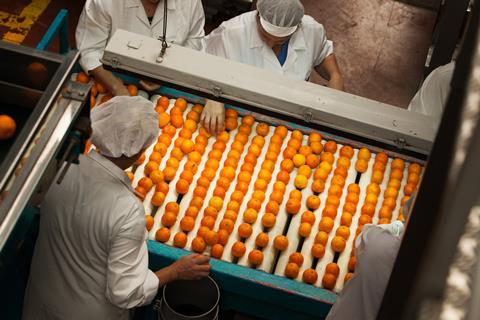
Valencian agricultural organisation La Unió Llauradora is calling on the European Commission to implement a 16 per cent tariff on citrus imports from non-EU countries to boost the competitiveness of European producers in the face of rising production costs and falling prices.
The organisation said the authorities must take steps to balance market competition a backdrop of rising costs and falling prices. It noted that production costs have surge by 33 per cent to compared to last season, while prices are down by an average of 17 per cent compared to the start of the 2025/26 campaign.
By variety, la Unió reports that Clemenules clementines have fallen by 7 per cent, Owari satsumas by 4 per cent, Navelina oranges by 13 per cent, while Fino lemons have plummeted by 43 per cent.
According to La Unió, this dynamic exacerbates the challenges of maintaining agricultural activity in both the medium and long term.
Speaking at the 6th Citrus Conference organised by La Unió in the town of Betxí last week, the organisation’s general secretary, Carles Peris, described the situation as “unsustainable” for Europe’s citrus growers.
“We are facing a difficult start to the season, with prices lower than last year and a 33 per cent increase in production costs essential for agricultural activity,” he said. “This situation is unsustainable for the European citrus sector – especially when you consider the rise in citrus imports from third countries over the last few seasons.
“If production costs keep rising while farmers receive less for their harvests, competing on fair terms becomes impossible. The European Commission must take action to protect the viability of citrus farms and prevent this loss of competitiveness from worsening further.”
La Unió is calling for EU trade policy to take into account the economic reality of farms and the trends in agricultural production costs, noting that “if production costs keep rising while farmers receive less for their harvests, competing on fair terms becomes impossible”.