Turkish citrus exporters are searching for new routes and markets, as logistical hurdles and costs add up
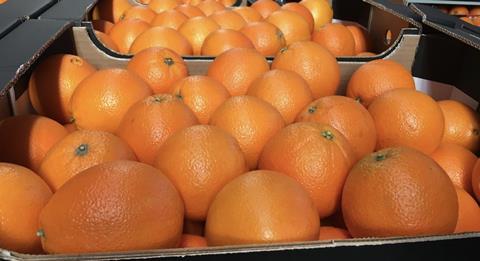
Turkish exporters of citrus are facing mounting logistical and production challenges, with shipping disruptions, rising costs and stronger competition from other origins putting pressure on the country’s position in international markets.
Against this backdrop, CMA CGM Türkiye has announced the addition of Iskenderun to its MEDEX shipping service from week 42, strengthening connections between southern Turkey, the Middle East and the Indian Subcontinent.
The shipping line said the new port call would provide a direct maritime link to support seasonal refrigerated cargoes, primarily citrus and apples, destined for these markets.
“With Iskenderun joining the rotation, the service will provide a reliable and sustainable direct maritime bridge, supporting our customers’ evolving supply chain needs across these key markets,” CMA CGM Türkiye said.
The move comes as exporters continue to contend with disruption to established trade routes. The Red Sea crisis has reduced the number of shipping lines operating through the Suez Canal, limiting competition and pushing up freight rates.
“We used to have four or five different shipping lines passing through Suez, providing competition and lots of choice,” said Akin Söyleyen of Aksun. “Right now, there are only one or two, so prices have gone up.”
Labour availability is another challenge in the labour-intensive citrus category. Söyleyen said Aksun had invested in a new citrus packing line to reduce its reliance on manual labour while improving quality.
However, Black Sea tensions linked to the war between Russia and Ukraine are creating further uncertainty for Turkish exporters, particularly in citrus, for which Russia remains a major destination.

Mehmet Özler of Özler Ziraat said around 40 per cent of Turkey’s citrus exports go to Russia, almost all transported through the Black Sea. Disruption to this route has forced exporters to seek alternatives, creating bottlenecks for trucks travelling through countries like Georgia and Azerbaijan, particularly during winter.
“The cost of growing is so high now, we can barely cover our costs,” Özler revealed, citing government fiscal policies alongside logistical challenges.
He also warned that Turkey was losing ground to international competitors. Disruptions to shipments through Suez had contributed to lost market share in Asia, while expanding production in China and Egypt was adding to the pressure.
“When you are not there for two, three years, someone else will take your place,” admitted Özler. He also pointed to lower average yields in Turkey, which he estimated were around 20 per cent below levels recorded 20 years ago.
“Combined with our competitors’ favourable climates, higher yields and more efficient supply chains,” he said, “I fear for the long-term viability of Turkish citrus exports.”