Shipments expected to set new record in 2026, says Abrafrutas president Waldyr Promícia
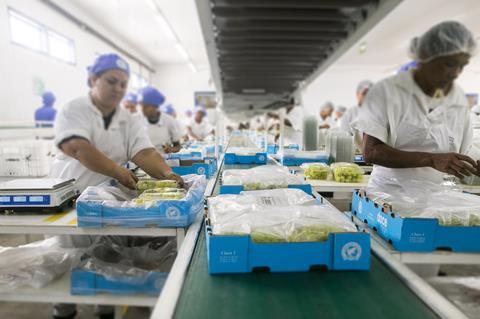
Brazilian fruit association Abrafrutas says the country’s fruit exports are on course to reach a new record in 2026. The value of shipments is projected to grow 5 per cent on last year’s US$1.45bn, according to the organisation’s president, Waldyr Promícia.
Fruit exports to September totalled US$1.17bn, a year-on-year increase of 17.5 per cent, government figures show.
A key driver of growth is rising demand in the European Union following tariff cuts on products under the trade agreement with Mercosur countries, which provisionally entered into force in May of this year.
The tariff on table grapes was eliminated immediately when the trade agreement took effect. For other fruits, the tariff reduction schedule varies. According to Promícia, removing tariffs lowers marketing costs and encourages exporters to increase sales to the European market.
For melons and watermelons, the base tariff under the agreement is 8.8 per cent, falling to zero by 2033. For avocados, base tariffs range from 4 per cent to 5.1 per cent, depending on the time of year, and are scheduled to be eliminated by 2030. In pineapples, the base tariff of 5.8 per cent will be phased out by 2030. Limes face a base tariff of 12.8 per cent, with reductions scheduled through 2033.
Promícia cited Brazil’s ability to supply fruit year-round as one of its competitive advantages. Favourable climate conditions and a diversity of growing regions allow the country to maintain supplies even when competitors face seasonal constraints.
Fernando Ferreira, managing partner at MBR Company, a trading firm specialising in fresh fruit exports, told Valor that he expects foreign sales to grow. The company’s cumulative exports so far this year are below the 2025 level, but it expects to end the year ahead of the previous period. That is because the final quarter accounts for a significant share of the harvest of products such as grapes, mangoes, and melons.
However, Ferreira warned that rising European demand was not enough to guarantee that shipments would continue to rise. He cited logistical hurdles – including limited vessel availability and cargo space – difficulties securing shipping slots, and delays in port terminal operations as major obstacles to growth.
Restrictions on maritime routes stemming from the conflict in the Middle East and disruptions in the Red Sea region are making the situation worse, Ferreira noted.
According to Promícia, the outlook for 2027 is also positive. In addition to expanding international demand, he said investment in growing areas could support further increases in exports.
Producers are on the lookout for the effects of El Niño, although Ferreira said the fact that much of Brazil’s exportable offer is grown in irrigated areas would likely limit the impact of the weather phenomenon. Potential losses due to El Niño in competing supply countries such as Peru could also create opportunities for Brazilian fruit.