They warn that incoming fruit is undermining local prices and could threaten the phytosanitary status underpinning exports
Avocado growers in Mexico’s Michoacán state are demanding tighter controls on fruit arriving from neighbouring Jalisco for packing, warning that the practice is putting pressure on the profitability of local producers and potentially exposing orchards to phytosanitary risks.
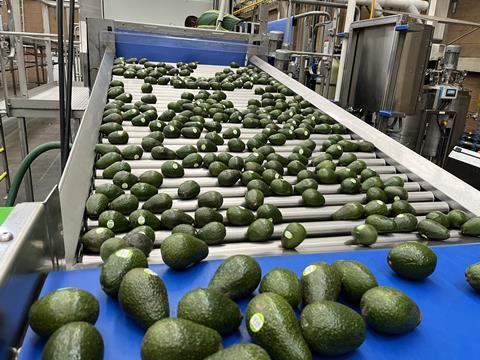
The Union of Small Avocado Producers of Michoacán (Puam) claims that more than 1,300 tonnes of avocados from Jalisco are entering the state every day to be processed and packed by local companies. The figure, reported by MiMorelia, has not been independently verified by authorities.
Producers argue that packing companies’ purchases of fruit from outside the state are undermining the commercialisation of Michoacán-grown avocados, particularly as harvesting volumes from local orchards decline.
Puam has called on Michoacán growers to organise and strengthen their presence at inspection points, noting: “If the fruit is from Jalisco, let it be packed in Jalisco!”.
The organisation also alleges that some packing companies are failing to honour previously agreed purchase prices, further squeezing returns for farmers. It is demanding fairer commercial conditions and compliance with existing commitments, although no specific companies have been publicly identified as responsible and the full economic impact has yet to be established.
Beyond the commercial dispute, Puam said it is concerned about the potential phytosanitary consequences of moving fruit between producing states. It argues that shipments failing to meet the necessary sanitary standards could introduce pests into local production areas, highlighting the threat posed by avocado borers, which can damage branches, fruit and seeds.
The organisation insists it is not opposed to the activities of other businesses but wants to protect the health of local orchards and the interests of producers.
The concerns have prompted a response from the Michoacán government. On 19 November, its Secretariat of Agriculture and Rural Development announced measures, in coordination with Mexico’s National Service for Agrifood Health, Safety and Quality (Senasica), to strengthen surveillance at five Internal Inspection Points.
The operations will intensify inspections of avocado shipments and verification of their traceability, with particular attention to fruit transported from other producing regions. The objective is to prevent pest dissemination and preserve the phytosanitary conditions required for domestic and international marketing.
The dispute has implications beyond the two states. Michoacán and Jalisco are the only Mexican states authorised to export fresh avocados to the US, the industry’s most important market.
Maintaining pest-free production areas is therefore critical to protecting access to international customers. Any phytosanitary issue affecting recognised pest-free zones could trigger tighter movement restrictions, additional inspections and difficulties meeting destination-market requirements.
While the allegations do not mean that all shipments from Jalisco present sanitary risks, the controversy highlights the importance of traceability and effective controls in maintaining the integrity of Mexico’s avocado export industry.