The EU Commission is set to propose ways to restrict trade with Israeli settlements, as new report sheds light on scale of problem on European markets
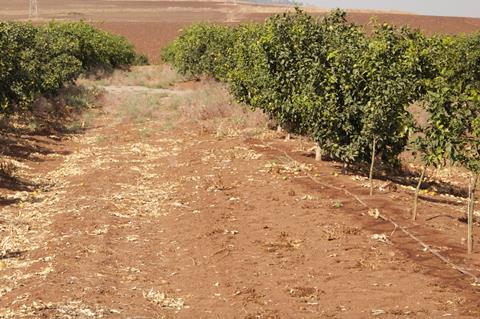
As the Gulf crisis eases into a fragile stalemate, it might be considered a mark of progress that the EU Commission is once again examining the issue of fresh produce from illegal settlements in the West Bank being mislabelled as ‘Product of Israel’ on European retail shelves.
Businesses throughout the fresh produce supply chain will have breathed a sigh of relief after a memorandum of understanding was signed this week by the US and Iran, which looks set to ease tensions in the Gulf at least temporarily. The Strait of Hormuz may reopen as further “technical details” are ironed out.
The main threat to the deal, however, appears to be Israel’s insistence that its forces remain in southern Lebanon, with US president Donald Trump declaring there should be “no more attacks by Israel anywhere in Lebanon”.
Another potential sticking point, of course, is the Palestinian question, with food aid allowed into Gaza still insufficient, according to Unicef, and what the UN describes as illegal Israeli settlement expansion continuing in the occupied West Bank, with goods from these lands making their way onto European shelves.
Legal non-profit Global Echo Litigation Centre analysed more than 30,000 export documents relating to thousands of shipments from Israel to the EU and UK over the last eight years. Although they represented a tiny proportion of Israel’s total agricultural trade with Europe, the shipments were found to contain €13mn worth of mislabelled settlement goods grown on Palestinian land.
“One in six shipments [Global Echo] investigated contained agricultural products that had originated in illegal settlements in occupied Palestine and the Syrian Golan Heights,” the Guardian reported, “at least 42 per cent of which had been mislabelled as Israeli-grown.”
“This isn’t an aberration and it’s not accidental,” asserted Emily Schaeffer Omer-Man, executive director of Global Echo. “This is a system that the UK and the EU have perpetuated and agreed to.”
Hiding the origin allows importers to claim reduced import tariffs, the report pointed out, making fruit and vegetables from occupied territory more competitive in European markets, while lowering tax revenues for European governments.
The impact of mislabelling, Global Echo stated, was European consumers unwittingly “subsidising settlement agriculture”.
The European Commission is expected to propose a range of options on how to restrict imports of goods coming from illegal Israeli settlements ahead of a gathering of EU foreign ministers on 17 July, according to a report from Euronews.
“Only products originating in Israel proper are granted trade preferences under the EU-Israel Association Agreement – products from Occupied Palestinian Territory are denied preferential treatment when imported into the EU,” a spokesperson for the Commission told the news channel.
Jessica Stober, Global Echo’s legal director and international human rights lawyer, commented: “What our investigation shows is that the system itself is flawed: it allows settlement goods to enter European markets as if they were Israeli goods. EU and UK authorities are responsible for preventing this, but the current system makes it practically impossible. As long as that continues, the EU, its member states and the UK cannot credibly claim to be fulfilling their international law obligations.”
Meanwhile, in war-torn Gaza, food prices have soared, sometimes by up to ten times the original price, it was revealed by children’s charity Unicef.
“Families are struggling to provide for their children the basics of vegetables, fruits, flour, meat,” said Unicef spokesperson Salim Oweis. “What is needed now is more and sustained entry of aid, commercial goods to come in and for commercial activities to resume, for all crossing borders to open, and for people to be able to access the basic items that they need at reasonable prices.”