The growth is driven primarily by increased nectarine production, according to the regional Ministry of Agriculture
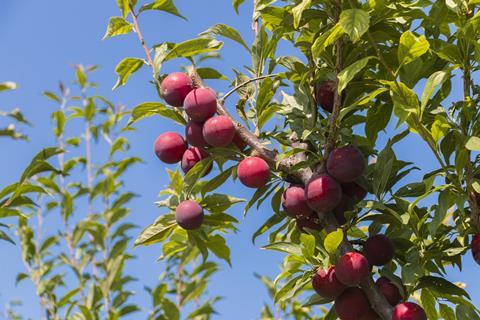
The region of Murcia anticipates a stonefruit harvest of almost 368,000 tonnes in 2026, up 3.3 per cent on the previous year. The projection was made by Joaquín Buendía, the regional minister for water, agriculture, livestock, and fisheries, during a visit to the La Vega cooperative this week.
During the visit, the minister highlighted “the sector’s capacity to continue growing in production, quality, and international presence, thanks to the efforts of farmers, cooperatives, and marketing companies, who continue to position the Region’s stone fruit among the most sought-after in Europe”.
This year’s season sees an estimated production of 367,952 tonnes from a planted area of 22,055ha. Growth is led by the group comprising peaches, nectarines, flat peaches, and flat nectarines, which saw production rise by 5.3 per cent to surpass the 300,000-tonne mark. Within this group, the nectarine remains the most dynamic crop, with a 20.6 per cent increase in production and 33.3 per cent growth in cultivated area.
Murcia’s stonefruit exports reached €332.07mn in 2025, up from €261.5mn in the previous year – an increase of 26.99 per cent. Peaches and nectarines account for three-quarters of the export value and are the primary drivers of this growth, with sales exceeding €248mn.
Germany remains the leading destination for, with exports valued at €135mn, followed by France (almost €50mn) and Italy (over €35mn). Other key markets include the UK, Belgium, Poland, the Netherlands, and Hungary; together, these countries account for approximately 85 per cent of the total export value.
Buendía noted that “confidence in European markets demonstrates that stonefruit from the Region of Murcia is a benchmark for quality, food safety, and the ability to meet consumer demands”.
During the visit, the regional minister also emphasized the need to secure sufficient water resources to ensure the sector’s competitiveness. “Our farmers are a model of efficiency and sustainability,” he said. “They have proven they can produce more with less water, but they need water planning based on technical criteria rather than political decisions that jeopardise the future of a sector that is strategic to the regional economy.”