Move will impact fruit shipments from the Pacific Coast of South America to US East Coast
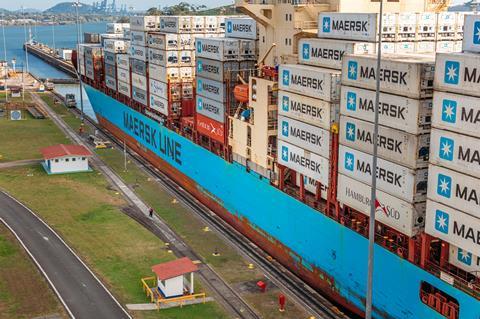
The Panama Canal Authority is to reduce shipping volumes from next month as it prepares for lower water levels due to the El Nino weather phenomenon.
From 4 September, the canal will limit daily transits to 34 vessels and reduce the number to 32 as of 15 September.
To operate, the canal relies on rainwater that collects in two artificial lakes. With meteorologists forecasting the worst El Niño in 100 years, the canal authority said that lower than forecast rainfall in the canal’s watershed required measures to bolster the long-term sustainability of the waterway.
The canal, which handles around 5 per cent of global maritime trade, usually has capacity to accommodate about 40 vessels per day. Since June, it has seen a daily average of 35 transits.
A reduction in transits through the canal will impact South American fruit exports, which rely on the waterway to move product from the Pacific coast of South America to the US East Coast. This is likely to translate into slower journey times and increased costs.
Table grapes, avocados, mangoes, blueberries and bananas will be amongst the most affected crops.
In 2023, a severe drought reduced traffic through the Panama Canal by approximately 36 per cent, leading to major disruptions in global supply chains.
The canal authority said it does not rule out further restrictions on shipping depending on how much it rains in the coming weeks.