Since 2010, certified avocado and mango acreage has grown by 600 per cent to 12,000ha
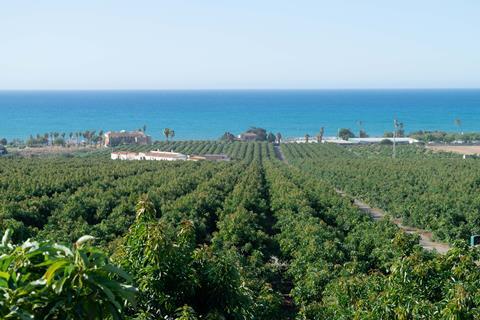
Spanish exports of subtropical fruits like avocados and mangoes have grown by 175 per cent in value and 75 per cent in volume over the last decade. The country is the third largest supplier to the European Union, combining domestic production with re-exports from countries like Morocco and Peru.
Today, Spain accounts for 80 per cent of European output of avocados and mangoes. The organic subtropical fruit sector in particular has seen impressive growth, with certified hectares increasing y 600 per cent since 2010 and expected to reach 12,000ha in 2026.
According to the Andalusian Committee of Organic Agriculture, CAAE, this sustained annual growth rate of 15 per cent is a direct response to European demand.
Data from the Ministry of Agriculture shows that Spain will have more than 35,000ha of subtropical crops under production in the 2025/26 season. Málaga accounts for 65 per cent of Andalusia’s avocado production and 76.5 per cent of mango acreage, while Granada is home to 25 per cent of the province’s avocados and 23 per cent of mango plantings.
Granada is also home to 97 per cent of Spain’s custard apple production. The community of Valencia, meanwhile, has a further 5,892ha of subtropical crops, making up 16.3 per cent of the country’s total acreage. Most of this is made up of avocados and loquats. Huelva and Cádiz have recently seen an expansion of avocado cultivation, while the Canary Islands continue to grow papaya in greenhouses.
Industry experts suggest that the future of avocado and mango production in the Iberian Peninsula will increasingly depend on the growth of the organics segment. While Spain cannot compete on price with suppliers like Peru, its proximity to the market guarantees quality and freshness, and organic certification further serves to differentiate its offer.