With the hot spell set to continue through August, fears grow that it could affect the flowering of key regional crops
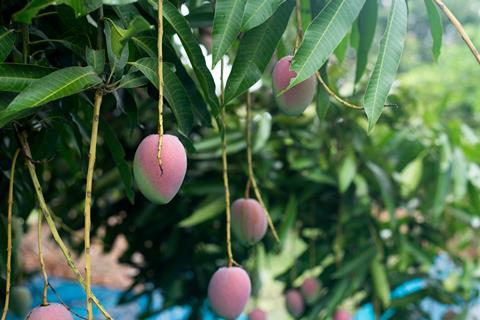
Concerns are growing that a prolonged spell of above-average temperatures in Lambayeque on Peru’s northwestern coast will put the region’s avocado and mango production at risk.
The National Meteorology and Hydrology Service (Senamhi) warned this week that the intense heat driven by the El Niño phenomenon will persist in the coming weeks. Spokesperson Joel Alania told La República that July ended with unusually high temperatures for the time of year. The district of Olmos recorded highs of 36°C, while Motupe and Jayanca experienced temperatures between 33°C and 35°C.
He noted that this trend is continuing into the first days of August. Temperatures between 30°C and 33°C have already been reported in Motupe and Olmos, while Chiclayo reached 27°C. “We cannot rule out the possibility of these high temperatures occurring throughout the month. This winter is proving to be very warm due to the El Niño phenomenon,” Alania stated.
The meteorological agency warned that these high temperatures could directly impact agriculture in the Lambayeque region. Alania explained that mango and avocado crops – two of the region’s key products – are currently in the flowering stage, a process sensitive to temperature fluctuations.
Excessive heat could affect flower development and reduce future yields, resulting in economic losses for farmers.
Lambayeque is not the only region feeling the impact of El Niño. According to agricultural specialist Milton Calle, mango flowering in the Piura region is failing to take off after last month’s high temperatures. He said the flowering rate as of 1 August remains at “around 10 per cent”, with little chances of significant improvement in the coming weeks.
“It is highly unlikely that we will reach 15 per cent,” Calle, said. “Temperatures did not improve in July; in fact, the month saw temperatures never before recorded for that time of year.”