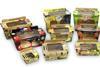
Polish group continues to fly the flag for eco-packaging, and is now adding smart options featuring RFID chips to its range

Sofrupak Poland SoFruMiniPak EV+ packaging range

Image: Sofrupak

While most of the EU’s Packaging and Packaging Waste Regulation (PPWR) provisions won’t come into force until August, with specific targets for reuse and recycling slated for 2030-2035, demand for ecological packaging is already growing.

That is according to Adam Sikorski, commercial director at Polish group Sofrupak.

“It’s easier now than it was a few years ago to convince fruit producers and retail chains to switch from plastic packaging to our eco-friendly SoFruMiniPaks,” he confirmed. “I’m sure that as we get closer to 2030, this trend will accelerate even further.”

Sofrupak was the first on the market to offer cardboard packaging with an integrated lid for berries, and it has since become a recognised company in Europe with its products valued for their quality by both fruit producers and retail chains.

“We offer several packaging series, which reflect our expertise,” Sikorski continued. “The leading example is the EcoView+ series, featuring an integrated lid and large cellulose foil windows.

”The packaging is 100 per cent biodegradable and recyclable like paper.

”The advantages of these packages include ease of closing – including machine-sealing – excellent fruit visibility and presentation, and the rigidity of the packaging, which protects the fruit from damage,” he said.

Despite the success of its existing offering, Sofrupak is already looking to the future, and Fruit Logistica saw the group present another industry first.

“At Fruit Logistica 2026, we showcased the first smart packaging on the market with RFID chips, enabling automatic packaging identification and linking it to the product batch, harvest location and other product data,” he enthused.

“Sofrupak packaging thus becomes a data carrier, responding to the growing need for precise traceability of fresh produce and reducing operational errors.”

The differing needs of customers across diverse markets means that the company has to be flexible when it comes to its offering, Sikorski pointed out, with each country demonstrating unique characteristics.

“Last year, Poland accounted for approximately a quarter of sales, with the remaining volume sold to European and non-EU countries,” he said. “Packaging lines for Polish customers are unsold in Western European countries due to different capacities and customer preferences.

“The largest European markets are France, Spain, and Germany,” Sikorski added.

“These include both retail chains testing and preparing for packaging changes resulting from the PPWR, and fruit producers seeking to highlight the quality of their products on the store shelf.