Shipping surcharges soar as exporters struggle to redirect fruit with specifications tailored specifically for Middle Eastern consumers
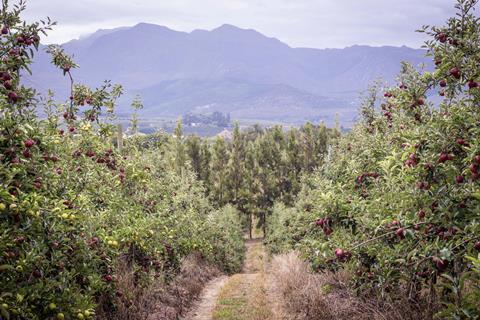
While the South African stonefruit and grape marketing seasons in the Middle East are expected to wind down during the coming weeks, shipments of apples and pears have barely started. The first South African lemons are also reported to be on the water.
Exporters have said that there is no quick fix to the problem of containers stranded in the Gulf. And there is concern about what to do with fruit not yet packed and shipped, because it is not as simple as merely shifting product to other markets.
“The specification, size and cultivars which are favoured by Middle East consumers are very specific and this fruit cannot be sold profitably in other markets,” says one exporter.
Exporters say they are first trying to mop up the stranded containers to avoid further losses. “Thereafter we have to see how we tackle the rest of the season.”
The crisis has also resulted in a spike in shipping costs. Shipping companies that are still prepared to take cargo to the Middle East have dramatically increased surcharges on shipments to those regions affected by the conflict, by more than 300 per cent in some cases.
In South Africa, growers will also face steep increases in production costs due to rises in fuel prices and fertiliser.
Reports from production areas in parts of the Cape suggest a fear that the country’s fuel stocks will run low has already resulted in panic buying.
And sources in the apple and pear industry point out that they ship mostly smaller counts of fruit to the Middle East.
It is likely that packing for this region will now slow down while growers work out what to do with the smaller counts.
Growers describe the situation as ”very serious” from a production and sales point of view. “Our operations are based on selling our whole crop profitably and many year of developing good customer relations in the region is now under threat,” they note.
Table grape industry body Sati has not commented further on the fallout from the war, or the effect the resulting cost increases will have on the sector.
A spokesperson from Hortgro earlier described the situation as ”chaotic” as exporters scramble to deal with containers in transit.