The industry is facing mounting pressures from shipping disruptions, rising costs, and constrained demand in an important market
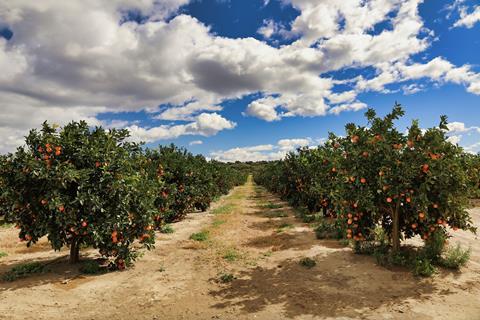
The South African citrus industry has said that, with the conflict in the Middle East now lasting for a month, its ripple effects are being felt globally.
“it is now clear that the coming season will require thoughtful coordination and strengthened collaboration,” said Dr Boitshoko Ntshabele, CEO of the South African Citrus Growers’ Association (CGA).
The Middle East has long been an important market for South African citrus.
“Disruptions in both demand and in shipping – as well as the international knock-on effect of shipping delays – are risks that everybody should be aware of,” he outlined.
Ntshabele’s remarks come at a time when the South African citrus industry has already done its pre-season planning and is about to release its first seasonal forecast.
Last year South Africa exported around 203mn cartons of various categories of citrus and further growth was expected this year.
The first early season lemons have already been harvested and most of these are traditionally exported to the Middle East.
It is accepted that these lemons are of size and specification which cannot easily find a home in other markets.
Ntshabele addressed the matter in a newsletter to citrus growers across the country.
“This coming citrus season initially posed promise because the Northern Hemisphere’s citrus harvest was expected to conclude earlier than usual, creating openings for South Africa,” he wrote.
Shipping rates have risen sharply, while at the same time, certain Gulf markets maintain price ceilings on retail citrus, limiting the ability of exporters to recover these higher logistical costs.
Global tensions are also affecting several key inputs across agricultural economies.
“Fuel and fertiliser prices will be affected,” he noted in what is now a somewhat troublesome outlook.
“We are already receiving reports of constrained fuel supply domestically, along with projections of a notable fuel price increase in April.
”Given that fuel represents a significant portion of farming operational costs - from irrigation to transport - this is an area that warrants close attention,” said Ntshabele.
As a result, the South African citrus industry is therefore facing mounting pressures.
“Attention must be given to factors which are within South Africa’s control, such as to secure and unlock the potential of the citrus export sector,” he commented.
A a number of constraints can be addressed, he pointed out, and enhanced market access remains a high-value opportunity.
“Continued engagement with government and trade partners to improve tariff conditions in China, India, and the United States would unlock meaningful growth and diversify our risk profile.”
Logistics performance remains central to industry competitiveness, Ntshabele confirmed. Improving efficiency within the national port and rail network is essential, and it should be supported by much greater urgency for expanding private-sector participation.
Securing a better future for the industry by resolving the EU’s ”restrictive and scientifically unsubstantiated” phytosanitary requirements for South African citrus is also something within the country’s control.
“In the coming season, coordinated export planning will be crucial,” he added. ”The CGA will continue providing timely, data-driven market intelligence to help exporters and growers make informed decisions.
”The industry has faced highly challenging seasons before, and each time we have emerged stronger.
”With clear focus, unified effort, and continued innovation, we will succeed,” Ntshabele concluded.