Country imported 2.87mn tonnes of fresh produce in the first seven months, with rising tomato and pepper volumes drawing concern from Fepex
Spanish imports of fresh fruit and vegetables reached 2.87mn tonnes during the January-July period this year, at a value of €3.47bn.
This represented a year-on-year increase of 7 per cent and 5 per cent respectively, according to data from the Department of Customs and Excise, processed by Fepex.
Fresh fruit accounted for the bulk of this growth, with imports totalling 1.52mn tonnes through the period in question up 11 per cent.
The value of imported fresh fruit also climbed, Fepex reported, up 9 per cent to €2.52bn.
Bananas led the fruit category with 280,898 tonnes imported, up 14 per cent, followed by kiwifruit at 121,165 tonnes (up 14 per cent) and pineapples at 110,693 tonnes (up 7 per cent).
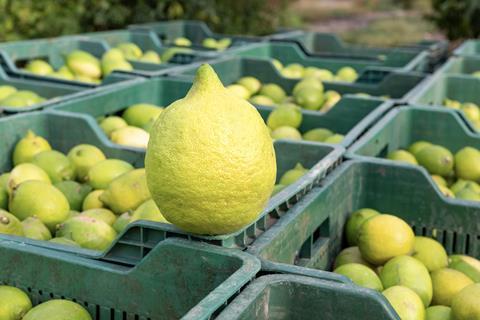
Lemon imports also saw a sharp rise, doubling year-on-year to reach 59,709 tonnes (up 106 per cent).
Vegetable imports came in at 1.35mn tonnes, 3 per cent more than in the same period of 2025, although their value fell by 4 per cent to €950mn.
Potatoes remained Spain’s top vegetable import by volume at 783,607 tonnes, although their value dropped 29 per cent to €228mn.
However, Fepex pointed out that the period was particularly notable for growth in tomato and pepper imports, in terms of both volume and, especially, value.
Tomato imports reached 115,268 tonnes (up 6 per cent) and €190mn (up 22 per cent), while pepper imports totalled 80,784 tonnes (up 19 per cent) and €117mn (up 26 per cent).
Fepex noted these represented “figures that are concerning given that both crops are widely available from domestic production”.
”In a climate of rising production costs and increasingly stringent EU regulations, the increase in foreign imports of these products intensifies competitive pressure on Spanish producers,” the group added.