New customs data processed by Fepex shows Spanish fresh produce imports reached 3.15mn tonnes at €3.84bn between January and August 2026
Spanish imports of fresh fruits and vegetables reached 3.15mn tonnes at €3.84bn between January and August 2026, representing a 6 per cent year-on-year increase in both volume and value.
According to data from the Department of Customs and Special Taxes, released this week and processed by Fepex, fruit was the main driver of import growth during the period.
Fruit imports hit 1.7mn tonnes at a value of €2.8bn, an increase of 10 per cent in both categories.
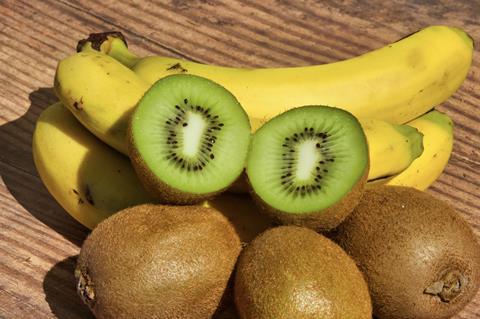
In terms of volume, bananas were the most-imported fruit at 313,000 tonnes, up 14.1 per cent.
They were followed by avocados at 202,000 tonnes (down 2.9 per cent); kiwifruit at 134,000 tonnes (up 13.2 per cent); apples at 133,000 tonnes (up 6.7 per cent); and pineapples at 125,000 tonnes (up 6.1 per cent).
In terms of value, the avocado category led the way, reaching €429mn – a 3.5 per cent decline.
Fepex pointed out that while vegetable imports also grew through the eight-month period, value actually fell.
Spain imported 1.45mn tonnes of vegetables between January and August, an increase of 1.7 per cent, but total value fell by 3.8 per cent to €1.04bn.
Potatoes played a ”significant role” in this outcome, the association noted, given their substantial share of total vegetable imports.
At 823,000 tonnes, potatoes were the most-imported vegetable by volume, a slight decrease of 0.5 per cent. Their value, however, dropped by 28.6 per cent to €241mn.
Following potatoes, key imported vegetables included tomatoes (139,000 tonnes, up 5.3 per cent), onions (131,000 tonnes, up 2.6 per cent), and peppers (85,000 tonnes, up 18 per cent).
“These figures are part of a concerning trend of rising imports observed in recent years,” said Fepex.
”This is particularly significant as it affects crops that are strategic to the Spanish fruit and vegetable sector – such as tomatoes and peppers – with growth rates of 5 per cent in volume and 16.5 per cent in value for tomatoes, and 18 per cent in volume and 25 per cent in value for peppers.”