Freezing temperatures and frost damage set to reduce foreign trade by almost a quarter, says USDA report
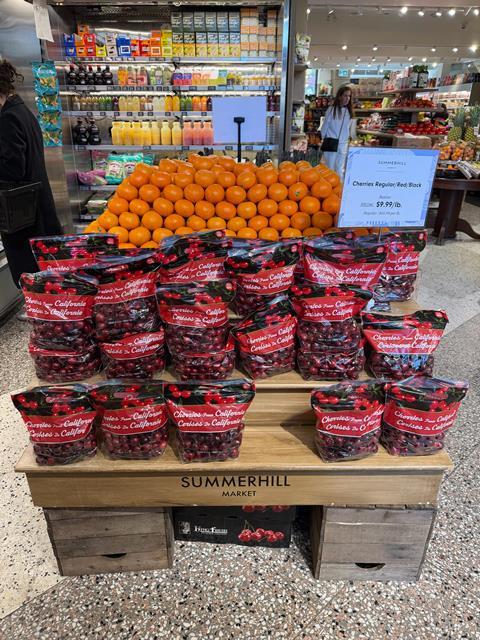
US fresh cherry exports are predicted to fall by almost a quarter to 62,000 tonnes in 2026/27, following a 20 decline in production caused by freezing weather across the country earlier in the year.
As reported by the USDA, those adverse conditions affected both tart and sweet cherry crops, resulting in forecast total production of 317,200 tonnes.
Meanwhile, warm spring temperatures in the western US led to earlier-than-normal sweet cherry harvests in California and Washington.
For sweet cherries, the anticipated decline is around 60,000 tonnes to 277,000 tonnes, as a frost-damaged crop in the Pacific Northwest “more than offsets” a rebound in California.
The leading foreign markets for US fresh cherries in terms of volume are Canada, South Korea, Taiwan, China, and Mexico.
And in those major foreign markets, the US only tends to compete with Canada and China.
According to the report, this means despite the expected fall in exports, it is unlikely to lose market share in those countries, “making it easier for US fresh cherry exports to rebound with larger crops in the future as was seen after the small crop in 2022/23.”
Faster start
Towards the start of the season, the report said, exports in April and May were up by 44 per cent year on year, reflecting California’s larger crop and early start to the season caused by abnormally high spring temperatures.
But California’s campaign came to an early end, partly as a result of rainfall during harvesting.
In June and July, exports – primarily from the Pacific Northwest – were reportedly 32 per cent lower.
Tart cherry exports account for less than 2 per cent of the total each year. This year’s production is forecast down almost 24,000 tonnes at around 40,000 tonnes, and the bulk will go for processing.