Staple vegetables have become more costly for Russian consumers this year, with Ukrainian intelligence estimating an increase of 56 per cent on an average basket
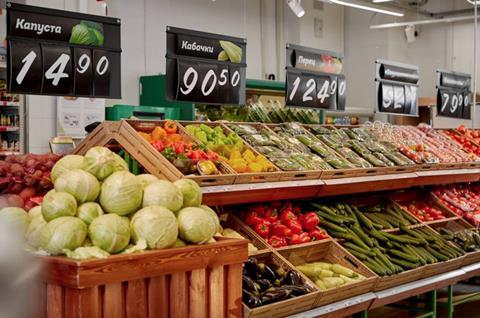
In Russia, the cost of an average vegetable basket soared by around 56 per cent between December 2025 and June 2026, according to Ukraine’s Foreign Intelligence Service, Ukrinform reported.
“Official inflation in Russia during the same period stood at only 4.64 per cent,” the agency noted. “In other words, prices for staple vegetables rose 12 times faster than all goods and services combined.”
The Foreign Intelligence Service pointed out that prices for potatoes, cabbage, beetroot, carrots and onions rose significantly faster than those of other goods.
Among the fastest risers was cabbage, according to the agency. In six months, prices rose from RUB34 per kilo to RUB58, an increase of 70 per cent. Potato prices went from RUB43 to RUB73 per kilogram, or a 69 per cent increase, while carrot prices rose by 52 per cent, onions by 49 per cent and beetroot by 42 per cent.
The increases appeared to be countrywide, according to Russian sources. “These are not just remote or poor regions,” Russia’s Federal Service for Veterinary and Phytosanitary Surveillance (SZR) stated. “Significant price increases were recorded even in the central part of the country, including the area around Moscow.”
The situation is unlikely to be improved by last week’s announcement from Russia’s Federal Service for Veterinary and Phytosanitary Surveillance (Rosselkhoznadzor) that it will introduce temporary restrictions on the import of certain quarantine-controlled agricultural products from Uzbekistan.
The ban covers a range of fresh produce, including cauliflower, cabbage, onions, dill, parsley, beetroot, tomatoes and grapes.
According to the regulator, the measures were taken after a rise in the detection of quarantine organisms in imported consignments. It said the move was necessary to safeguard Russia’s food security and ensure compliance with national phytosanitary standards.
The Russian regulator has sometimes been accused by EU officials of introducing temporary bans to assist domestic production, but for vegetable producers in Russia right now, the bigger concern remains labour.
With fresh produce companies largely reliant on foreign workers to maintain operations, difficulties recruiting from China and greater restrictions on workers from Uzbekistan are leaving producers short on manpower.