Defra confirms £15mn for Water Management Grant and ‘largest ever’ Farming Innovation Programme, as first-come, first-served SFI approach scrapped
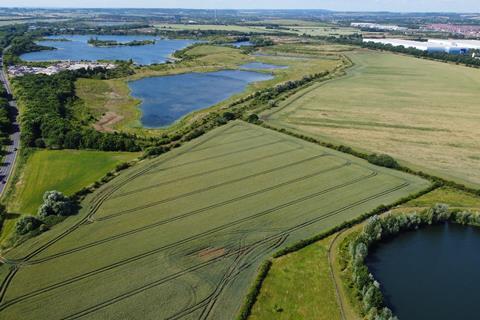
Environment Secretary Dame Angela Eagle is set to announce £43mn of funding for climate resilience and water storage at the Country Land and Business Association (CLA) Rural Business Conference in Westminster today, 19 November.
The support includes £15mn in grants for water storage projects and £28mn for innovation in projects focused on improving soil health, water quality and environmental management.
The funding comes as farmers face the impacts of extreme weather, rising costs and uncertainty in global markets.
Pledging that ministers will “stand by rural Britain”, Eagle is expected to say: “Our goal is rural communities that have the power over their future, public services they can rely on, the tools they need to adapt to our changing world, and the support and clarity to be able to invest, innovate and grow their business.
“Working together, we can ensure the 9.7mn people who call rural England home benefit from the prosperity they help create, protect our precious natural environment for future generations and unlock growth in every rural postcode.”
£15mn for Water Management Grant
The application window for the Water Management Grant, which was first announced by Prime Minister Andy Burnham in August, will open on 30 November for 12 weeks to 23 February 2027.
The grant is intended to address barriers to farm reservoir construction, including planning requirements and abstraction licensing.
The NFU has welcomed the grant and expects strong demand. However it warned that with many areas still in drought following this summer’s extremely hot and dry conditions, more flexible abstraction licences are essential for significant on-farm water storage.
Paul Tompkins, NFU deputy president, said: “We would welcome a positive response from the Government should demand extend beyond the initial £15 million budget.”
Tompkins added that the government’s longer-term approach to food security must match the government’s statement that ‘food security is national security’ by putting food and farming at the heart of its 10-year plan.
“Farmers and growers need a supportive planning system, greater flexibility to refill reservoirs and more assurances from supportive supply chains and access to water in the longer-term to give them the confidence to invest.”
The Country Land and Business Association (CLA) has welcomed the funding, but also called for longer-term commitment.
Gavin Lane, president of the CLA, described the fund as “an important first step” but warned that “the scale of the challenge should not be underestimated”.
First-come first-served approach scrapped
Applications for the water grant will not operate on a first-come, first-served basis, meaning an application submitted on the closing day has the same chance of receiving funding as if it were submitted on the opening day.
Eagle is also expected to promise changes to the Sustainable Farming Incentive (SFI) scheme, moving away from the first-come, first-served approach.
The NFU said farmers had been left “high, dry and desperate” after window 2 of the 2026 SFI budget was exhausted in under six hours when it opened on 22 September.
For the new water grant, growers will be able to apply before planning and licensing permissions are fully in place, which is hoped to “cut red tape” and speed up access to funding, the government said.
‘Largest ever’ Farming Innovation Programme
The government also announced that applications will also open for the largest ever Farming Innovation Programme competition, worth up to £28mn.
The competition will support practical projects focused on improving soil health, water quality and environmental management to support long-term resilience.
Ministers have also launched a new Fertiliser Sustainability and Resilience Plan, which will invite experts to engage in its development and is aimed at boosting UK production and shielding farmers from volatile global markets and supply chain shocks.
The announcement comes as farmers face soaring fertiliser costs, with the prices of some fertilisers rising 30 per cent between February to April 2026.