Organic producers in the UK to have wider access to crop varieties, with reduced costs and paperwork when sourcing seed from the EU under the deal
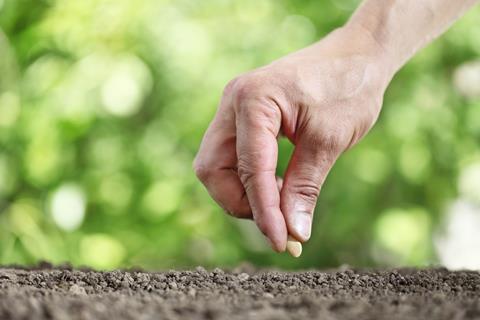
Organic farmers and growers will regain access to EU organic seed databases folllowing the landmark EU-UK reset deal agreed on Friday 20 November at a summit in Brussels.
The agreement, which is expected to come into effect on 1 March 2028, is expected to ease agricultural trade by cutting costly red tape, reducing border checks and making food trade between Great Britain and Europe quicker and cheaper.
Restored access to EU databases will enable producers to identify available organic seed, and to grow a wider choice of crop varieties, while potentially saving time and money when sourcing organic seed from European suppliers.
Since Britain left the EU’s single market, additional phytosanitary and seed marketing certification requirements have created extra paperwork, costs and administrative burdens for businesses trading seeds between the UK and EU.
The new agreement will remove phytosanitary requirements for eligible movements and OECD seed marketing certification requirements, making cross-border trade simpler.
The government also confirmed that Certificates of Inspection (COIs), organic certificate documents, will not longer be required for organic products moving between Great Britain and the EU.
Rowan Dumper-Pollard, of the Organic Research Centre (ORC), said: “Closer alignment with the EU and the removal of costly and time-consuming Certificates Of Inspection will be a welcome boost for organic businesses.
“Alongside the ambitions set out in the recently published Organic Action Plan for England, this represents another positive step towards creating more favourable market conditions for organic businesses in the UK.”
The International Federation of Organic Agriculture Movements (IFOAM) Europe has also welcomed the EU-UK SPS agreement as a positive step.
“This is an important step towards reducing barriers and facilitating trade in organic products between the two markets,” the organisation said.
“We see this agreement as a welcome development for the organic sector on both sides, supporting trade, strengthening cooperation and providing a more predictable framework for organic businesses.
“Making trade easier while maintaining common high standards is good news for the organic sector.”
The agreement will also bring significant changes to organic production standards, with all businesses placing organic products on Great Britain’s market required to make the necessary changes to comply with the new rules.
Regulation (EU) 2018/848 will affect organic operators, producers, retailers and manufacturers across Great Britain, including businesses that do not export to the EU.