Conservation charity emphasises that farmers also need more support
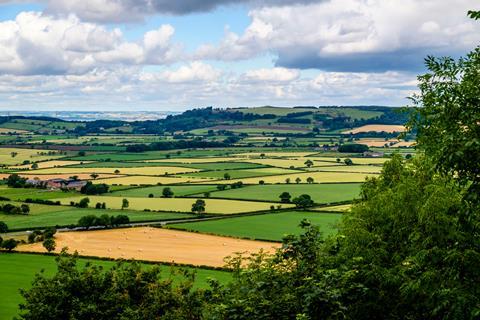
Farmers can be critical allies against wildlife decline while also storing carbon, helping prevent floods, and creating more reliable and healthy food sources.
That’s according to the RSPB, which has published a new report outlining how farming and nature can work together. The report stresses, however, that farmers cannot do it alone, and need support from governments, retailers, and financial institutions.
The RSPB’s report, published this week at the Oxford Farming Conference, draws on examples from around the UK of where farmers are already creating wildlife habitats while investing in soil, pollinators and water, protecting their land as well as helping threatened species such as turtle dove and lapwing.
Through steps such as creating and maintaining habitats across at least 10 per cent of the farm, cutting hedgerows every two to three years rather than every year, and creating or maintaining sources of water such as ponds or scrapes, RSPB believes farmers can see huge benefits for their crops and livestock as well as boosting local wildlife.
But without support from government, supermarkets, and banks, the report emphasises, these transitional changes will never be possible on a national scale. Governments in all four UK nations, the RSPB states, must:
- Create well-funded, effective agri-environment schemes that pay farmers to provide sufficient year-round resources for nature, supported by funded advice;
- Put trade policies in place that raise standards and avoid offshoring the UK’s environmental footprint;
- Tackle unfair contracts and food waste, among other wider food system issues.
Businesses and retailers, the report says, also play a key role by being transparent about their impact on the environment and working with farmers to set clear targets, as well as putting long-term contracts in place that give farmers the time to transition to nature-friendly farming. Banks and other financial institutions, meanwhile, must support through their investments and lending models.
The report details examples of farmers across the UK who are already working with government and local institutions to help nature, whether it’s rewetting peatlands or phasing out insecticides. It also shows where farms are already welcoming back bird species not seen in decades, and where butterfly numbers continue to climb.
Alice Groom, RSPB’s head of sustainable land-use policy, said: “Governments and businesses must play their part and give farmers long-term security, but a UK government announcement only this week about nature-friendly farming schemes once again failed to plan any further than 2028. Farmers need security, and nature needs action now.”