Fruit and vegetable exporters face freight freeze as supply chains in the region shut down
Australian fresh produce exporters have been forced into action as sea and airfreight channels across the Middle East were disrupted by an escalation of the conflict in the region.
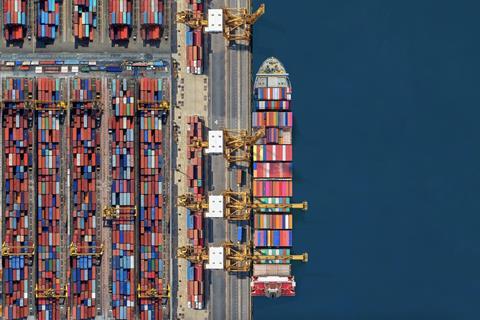
The closure of the Strait of Hormuz and the cancellation of flights across the region have restricted access to a key market for Australian exporters. In the 12 months to June 2025, Australia exported 86,127 tonnes of fresh horticultural products to the Middle East, worth A$153.2mn. This included over 48,560 tonnes of carrots, 13,500 tonnes of citrus, 5,135 tonnes of onions, 3,844 tonnes of almonds and 2,644 tonnes of table grapes.
Michael Coote, CEO of industry body Ausveg, said around 35 per cent of Australia’s overall vegetable export volume – valued $53mn 2025 – is sent to the Middle East each year, via both sea and air. He said the impact of the current disruption had been immediate and significant.
“While the situation in the Middle East is evolving rapidly, there have already been significant impacts, particularly due to disruptions to international seafreight channels and services,” said Coote.
“The full extent of those impacts will become clearer in the coming days and is expected to be more pronounced the longer disruptions continue.”
Wade Bollard, general manager of Australian-based freight forwarder CT Freight, said shipments en route to the Middle East were sent back once the conflict escalated.
“There were many airfreight shipments in the air when the conflict erupted, which were returned to origin ports. There was also product at tranship airports on its way that had to be returned to Australia,” explained Bollard.
“We have also had many shipments on hand for flights departing Sunday and Monday into the Middle East, which have all been cancelled with product returned to suppliers or to local markets. Effectively, there has been no Australian product landed in the Middle East since Saturday and supplies are drying up.”
With exports to the region at an effective halt, Coote said Australian exporters would have to look at alternatives. He also noted the potential ramifications of the disruption beyond the export trade.
“In the immediate term, it is also unlikely that consignments of vegetables unable to reach the Middle East will be able to be diverted into other export channels, meaning this produce may have to be absorbed into the domestic market,” said Coote.
“As well as disrupting vegetable industry export activity, the ongoing conflict has also led to concerns within the vegetable industry around potential production cost increases, particularly given Australia’s heavy reliance on imported key farm inputs like fuel and fertiliser.”
Bollard said he didn’t anticipate any flow-on effects to other markets – such as Asia – for Australian exporters. In the meantime, CT Freight is working on other options for its customers.
“If the situation continues, the market is effectively closed to Australian produce unless there are spot charter services into the region, perhaps to neighbouring countries with less risk from where product could be road freighted into Dubai,” he explained.
“Our ops teams are working tirelessly to find solutions for our clients to get product into Middle East points of entry as well as closely monitoring the updates from carriers as to when they will have a resumption of services.”