New Zealand-based start-up uses artificial intelligence to turn CCTV into a live workplace safety tool for fresh produce businesses.
During peak season, fresh fruit and vegetable packhouses are a hive of activity and maintaining a safe work environment is just as vital to success as growing a quality piece of fruit.
Tane van der Boon, founder of New Zealand-based technology start-up Inviol, tells Produce Plus incidents not only come at a cost to the people involved but to operations as well.
“Fresh produce is a speed game. When the season hits, packhouses and cold stores surge, forklifts weave through people and pallets, and trucks turn docks into bottlenecks. These are precisely the moments when health and safety either shows up as a competitive advantage – or as a headline,” van der Boon says.
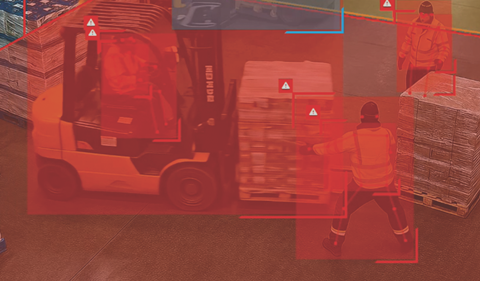
To help businesses take a proactive approach to their workplace safety Inviol has developed an AI-powered software that plugs into existing CCTV setups and turns them into a live safety system that helps leaders and teams coach safe behaviour, not just investigate retrospectively.
“Our technology can provide risk identification in real time. The AI detects scenarios like pedestrians entering forklift aisles, trucks docking with unsecured restraints, or stacked pallets breaching safe height. Instead of a generic alert, you get event clips tied to your exact SOPs,” says van der Boon.
“You can produce short, site-specific video snippets from your own floor to help with onboarding, reducing the language load and accelerating understanding for Recognised Seasonal Employer (RSE) and seasonal teams.
“Supervisors can get contextual clips to run ongoing coaching. We’ve learned that people engage far more with their own environment than with stock footage.”
The nature of the fresh produce industry sees risk spike with seasonality as temporary labour interacts with potential hazards such as forklifts, trucks and manual handling. Effectively communicating risk is essential, particularly for non-English speakers.
“Seasonal compression creates a perfect storm: new people, new patterns. New Zealand’s horticulture sector depends on short-term and (RSE) workers to meet peaks. Rapid onboarding plus unfamiliar sites and systems drive exposure during those first days and weeks,” says van der Boon.
“Many seasonal workers are outstanding operators – but not always in English. Studies and guidance in New Zealand point to language barriers and cultural fit as real contributors to risk and to the effectiveness of safety communication and coaching. The fix isn’t more posters, it’s more understanding and better feedback loops.”
Van der Boon notes the latest reporting underscores the rising cost and prevalence of workplace injuries and doing nothing is cost-positive for harm. Doing something targeted is productivity-positive.
“Packhouses and cold stores can turn the season’s hardest weeks into their safest by making safety specific, visual and immediate. When your cameras coach your people, you don’t just reduce incidents – you build a high-trust, high-performance culture that ships quality fruit faster,” he concludes.