Kiwifruit and apples led growth in 2025/26, with exports reaching NZ$7.32bn
New Zealand’s fresh fruit and vegetable industry is on track to meet the government’s goal of doubling exports by 2034, with export earnings reaching NZ$7.32 bn in 2025/26 (12 months to 30 June 2026), up 7 per cent from the previous year.
United Fresh New Zealand, which represents the country’s fresh produce sector, released the latest figures in Fresh Facts 2026.
The annual publication is a fact book on horticulture and estimates the total value of New Zealand’s fruit and vegetable industry at NZNZ$9.87bn, comprising NZNZ$7.32bn in exports and NZNZ$2.55bn in domestic spending.
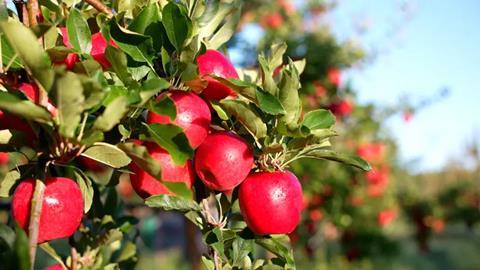
Kiwifruit and apples led export growth, with both achieving record returns. Kiwifruit export earnings reached NZ$4.2 bn, up 14 per cent, while apple exports increased 6.1 per cent to a record NZ$1.31 bn. Fresh and processed potato exports hit a record NZNZ$155mn.
Fresh fruit exports totalled NZ$6.2bn, fresh vegetable exports NZ$276mn, and processed fruit and vegetable exports NZ$655mn.
Asia remained the main horticultural export region, taking 55 per cent of exports, mainly fresh fruit. The EU and wider Europe were the second-largest market, accounting for 23 per cent of exports.
United Fresh President Jerry Prendergast said the results demonstrate the strength of New Zealand’s horticulture industry and its ability to compete internationally.
“Reaching NZ$7.32bn in exports is a significant achievement, particularly when growers are dealing with rising production costs and ongoing economic pressures. Kiwifruit and apples continue to perform exceptionally well, and the sector is making encouraging progress towards the Government’s ambition to double exports by 2034,” Prendergast said.
Prendergast said the cost of living remains a top public concern, but fresh produce prices have risen much more slowly than overall inflation.
”While overall inflation reached 4.1 per cent in the year to June 2026, fresh fruit and vegetable prices increased by just 2.2 per cent. Over the same period, growers’ production costs rose 6.2 per cent, with fuel costs increasing 59.3 per cent, fertiliser 16.5 per cent and freight 12.5 per cent,” he said.
“These figures highlight the considerable pressure facing growers. While fresh produce prices have remained relatively stable for consumers, the cost of getting fruit and vegetables from the orchard or field to market continues to rise.
“Maintaining a strong and sustainable industry requires growers and producers to achieve returns that allow them to reinvest in their businesses.”
Cherries, squash, onions, avocados and processed vegetables had a difficult year due to climate and market conditions, with lower export volumes.
The processed vegetable sector is facing particularly difficult conditions. The announced closure of four processing factories has contributed to declining planted areas and production value, with processed vegetable production forecast to fall by 50 per cent in the coming year.
“This is a serious concern for the industry and reinforces the importance of maintaining processing capacity, investment and resilient supply chains,” Prendergast said.
There were also encouraging developments across other sectors. New Zealand’s avocado industry continues to diversify its export markets, reducing its traditional reliance on Australia. In 2025/26, 75 per cent of avocado exports by value went to markets other than Australia.
The publication also places a spotlight on Gisborne/Tairāwhiti, highlighting the region’s remarkable contribution to New Zealand’s food production.
The region grows 45 per cent of the country’s salad vegetables, 80 per cent of its oranges and 50 per cent of its broccoli.
“Tairāwhiti plays an extraordinary role in feeding New Zealanders and supporting our horticulture industry. These figures show just how important regional growing communities are to our national food supply,” Prendergast said.