New South Wales government grant to help rescue an extra five tonnes of produce every week
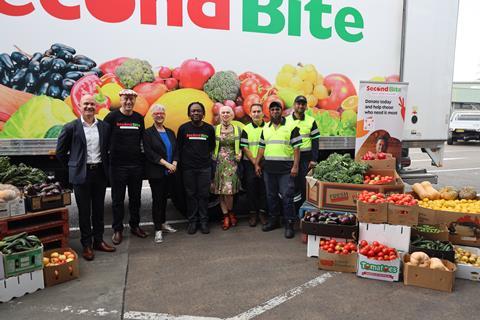
SecondBite has welcomed a grant of up to A$100,000 from the New South Wales Environment Protection Authority (EPA) to expand its food rescue operations at Sydney Markets, helping redirect more surplus food to people experiencing food insecurity.
The funding will support additional weekend food collections at Sydney Markets, allowing SecondBite to rescue an extra five tonnes of edible food each week that would otherwise go back to farmers to feed livestock.
This expansion will increase the total volume of food rescued by SecondBite in NSW to 115 tonnes each week.
The additional food rescued is the equivalent of up to 520,000 meals which will be redistributed to charities and community organisations supporting people experiencing hardship.
SecondBite CEO Daniel Moorfield said the grant would help get more fresh produce every week for households facing cost-of-living pressures.
“Behind every kilogram rescued is a person doing their best through difficult circumstances. Access to nutritious food relief can ease financial stress, support wellbeing and remind people they are not facing hard times alone.
“Thanks to the support of the New South Wales government, that’s the equivalent of up to 520,000 meals each year that can be redirected to charities – helping put food on the table for more people across the state. ”
Sydney Markets CEO Anthony Boyd said food rescued through the programme will be distributed to SecondBite’s network of 204 charities, such as the Bill Crews Foundation in Ashfield, close to Sydney Markets.
“Fresh produce sourced from our markets will help provide daily breakfast and lunch services for people dealing with food insecurity and ease the cost-of-living crisis,” said Boyd.
“The partnership between the NSW Government, Sydney Markets and SecondBite demonstrates how collaboration across government, industry and the community sector can repurpose excess produce to support communities experiencing food insecurity.”