Women in Horticulture New Zealand highlights role women play in shaping the country’s industry
As New Zealand marks the United Nations’ International Year of the Woman Farmer 2026 (IYWF 2026), industry leaders are challenging the misconception that women support farming, rather than also lead it.
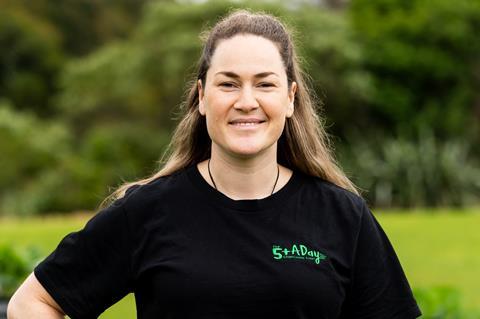
Women in Horticulture New Zealand (WiH) has pointed to the reality that women are already shaping the country’s agrifood system as growers, orchard managers, exporters, researchers, traders and business owners.
Led by the Food and Agriculture Organization of the United Nations (FAO), IYWF 2026 aims to build global awareness of the significant contribution of women farmers and to call for increased investment in their empowerment through research, capacity development, innovation and stronger partnerships.
“The idea that women are simply supporting roles in farming is outdated and inaccurate,” said Stephanie Wrathall from WiH.
“Women are leading businesses and making critical decisions right across the agrifood system – not just on farms, but across the horticulture industry.”
This makes women’s leadership critical to food security, climate resilience and economic growth, particularly as the sector adapts to environmental pressures, labour challenges and shifting global markets.
“If we want resilient, future-focused food systems, we need to recognise women as leaders,” said Wrathall.
One woman with 20 seasons of experience in horticulture is Whitney Conder, who began her career as a fruit picker during her university summers.
Conder is now orchard manager at Central Pac and says she leads through problem‑solving, time management, and people development.
“Leadership shouldn’t be defined by a title; it’s about shaping decisions and guiding outcomes every day, choosing adaptation over rigid planning. Women are already driving innovation and resilience throughout our industry, and I’m proud to be a part of the shift toward visible, recognised leadership,” said Conder.
Wrathall said common perceptions about horticulture don’t always match reality. “Modern horticulture relies on communication, planning and team management as much as physical labour and women are doing that work across the sector.”
Other misconceptions WiH has committed to debunking include framing the face of farming as male and challenging the public image of “a farmer” as a man on a tractor or in a paddock rather than a woman working in a less visible role.
Highlighting the unnamed leadership of women who have long managed businesses, staff, finances and risk, yet their roles were frequently described as “helping or admin” rather than leading. Also noting women leading behind the scenes in decision-making roles, negotiating contracts, managing compliance, overseeing sustainability and driving innovation.
WiH has also noted that narrow definitions of farming exclude areas across the value chain where women dominate or lead, including horticulture and post-harvest systems; biosecurity and science; export, marketing and trade; and workforce development and governance.
Additionally, structural barriers have reinforced the status quo, restricting women’s access to ownership; capital and credit; governance roles and tailored training.
Wrathall said those barriers limited visibility – which then reinforced the perception, that women support farming, rather than lead it – creating a loop that was hard to break.
IYWF 2026 will raise awareness and promote actions to close the gender gaps and improve women’s livelihoods worldwide.
“That’s why IYWF 2026 matters. It’s about recognising women currently in leadership roles and working on developing potential leaders in future, backing and scaling the leadership that already exists,” said Wrathall.