Rising competition, pests, excessive EU regulations and aging farms prompt a growing number to switch to olive production
Olive cultivation is proving increasingly attractive for farmers in the Spanish province of Castellón, official figures show. Tempted by higher profitability and lower maintenance costs, a growing number are switching from citrus, stonefruit and almonds to olives, Castellón Al Día has reported.
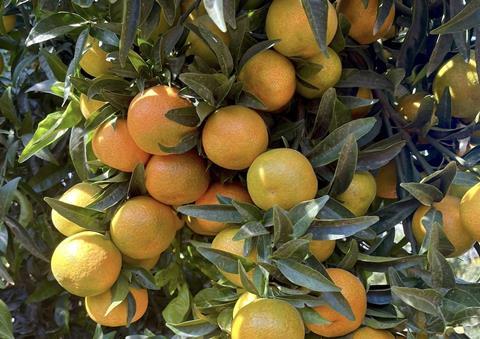
According to data provided by AVA-Asaja based on a survey from the Ministry of Agriculture, olive groves were one of the few crops in Castellón that increased in acreage in 2025 year, unlike citrus, almonds and other crops.
Castellón had a total of 32,059ha of citrus cultivation at the end of 2025, almost 400ha fewer than in 2024. Although citrus remains the province’s flagship crop, growers continue to abandon farms, citing rising competition, pests, excessive European regulation, and aging groves, amongst other causes. In percentage terms, citrus cultivation fell by 1.2 per cent at the end of 2025.
Castellón accounts for 21 per cent of the Valencian Community’s citrus production. The community lost a total of 2,762ha of citrus farms in 2025.
Olives are the second most planted crop in Castellón, after citrus. Official figures show that the province gained 694ha of olive groves last year. At 29,505ha, olive groves in Castellón represent 30.7 per cent of the total for the autonomous community, which also gained almost 1,400ha compared to 2024.