New report from iQonsulting shows global consumption is growing, but exporters face greater price pressure as output increases
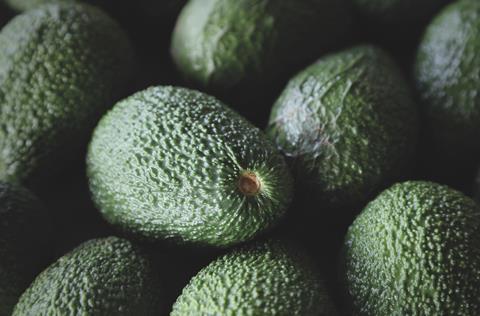
Chile shipped a record 160,000 tonnes of avocados worth US$434mn in 2025/26, making it the third biggest exporter after Mexico and Peru according to iQonsulting’s recently released 2026 International Avocado Market Yearbook.
A total of 3.4mn tonnes of avocados worth US$8.315bn (FOB) were traded worldwide in 2025, with the sector continuing to grow in both volume and value. But the report warned that increased supply is creating new challenges for producers and exporters, particularly in markets such as Europe and the US.
Mexico remains the world’s top supplier, accounting for around 36 per cent of global exports by volume. Last year it shipped 1.22mn tonnes worth US$3.966bn (FOB), an increase of 2 per cent on the previous year.
In 2025, it accounted for approximately 36 per cent of total export volume, reaching 1.22 million tons with a value of US$3.966 billion (FOB). For 2026, iQonsulting projects a further rise in Mexican exports, supported by production levels that could reach record highs.
Peru, in second place, exported 755,000 tonnes worth US$1.44bn in 2025 and is on track to reach a new high in 2026. Shipments for the first quarter of this year were up 36.6 per cent year-on-year, reaching US$237mn.
Europe remains the primary destination for Chilean avocados, absorbing around 61 per cent of total shipments in 2025/26.
iQonsulting noted, however, that increased supply does not necessarily translate into higher returns. Throughout 2026, Europe experienced a period of high avocado availability.
Peruvian supply coincided with earlier-than-usual shipments from other suppliers, leading to an oversupply – particularly between the start of the year and week 17. This exerted downward pressure on prices and forced exporters to operate in a more competitive market.
Latin America was the second-largest destination for Chilean exports, accounting for approximately 26 per cent of its shipment volume. Within this region, the report highlighted the growth in shipments to Argentina. It noted that developing regional markets could offer a diversification alternative for Chile, partially reducing its exposure to Europe.
The US market showed a similar dynamic. Increased volumes from Mexico boosted the availability of fruit, particularly in medium and large sizes. According to iQonsulting, this greater presence narrowed price gaps between different sizes and exerted downward pressure on prices in the spot market.
“The overall picture presented in the 2026 Yearbook reveals an expanding industry,” iQonsulting said. “The 3.4mn tonnes exported during 2025 confirm that international consumption continues to grow. However, the simultaneous rise in production in countries such as Mexico, Peru, Colombia, and other suppliers means that the business is also becoming more competitive.
“In 2024, the market experienced the exact opposite phenomenon: lower supply from Peru helped drive up international prices, with the average FOB value for Chilean avocados increasing by 26 per cent to approximately US$3 per kg. The contrast between these two seasons illustrates just how sensitive the market is to relatively minor shifts in availability.
“For Chile, reaching an export volume of 160,000 tonnes is a positive sign, yet it also raises a strategic question. Mexico’s exports far exceed 1mn tonnes, while Peru is moving toward volumes surpassing 750,000 tonnes.
“It is unlikely that Chile will be able to compete with these two nations based on scale alone. Instead, its opportunity appears to lie in leveraging commercial windows, quality, product condition, consistency, the diversification of export destinations, and the ability to secure better prices.”