Increasingly diversified export basket driving new opportunities for growth
The UK consolidated its position as the third-largest market for Colombia fresh fruit exports in 2025 behind the Netherlands and the US, with shipments growing 26.3 per cent year-on-year to US$38.2mn.
Highlighting the growing diversity of Colombia’s export basket, Alejandro Jaramillo Gómez, executive director of trade promotion agency ProColombia for the UK, Ireland, and the Nordic countries, said the country is no longer viewed solely as a banana supplier, but as a source capable of supplying various segments of the fruit market, including avocados, Persian limes, mangoes and a range of exotic fruits.
Colombia currently ranks third among suppliers of bananas and plantains to the UK, with a market share of almost 36 per cent. Its solid reputation has served as a springboard for the introduction of other products to importers and retailers.
Thanks to its equatorial climate and different production zones and altitudes, it can produce many crops year-round, giving it an important advantage for supplying export markets on a relatively continuous basis. This allows it to appeal to European buyers not only on the basis of price but also through supply reliability and continuity.
Logistics provide another favourable factor. Maritime shipments can reach the UK in around 15 days, while existing trade agreements facilitate access to both British and European markets.
According to Jaramillo, Ireland is also becoming an increasingly important market. Direct imports of Colombian bananas grew by 94.9 per cent last year, while purchases of fresh and processed fruit from the country increased by 54 per cent.
Jaramillo said Colombia’s electricity matrix – the bulk of which is supplied by hydroelectric power – also offer advantages in meeting growing European demands regarding environmental footprints and emissions associated with production chains.
Like its neighbour Peru, Colombia’s fruit sector is entering a new phase of consolidation after years of rapid growth. Rising labour costs, unfavourable exchange rates and climatic events have made for a challenging export scenario this year.
To boost its competitiveness, Jaramillo said the sector is rolling out new technologies such as IoT and satellite sensors used to fine-tune irrigation and fertilisation to reduce water and input consumption while providing more precise data on crop management.
Post-harvest innovations, meanwhile, include the use of modified atmosphere packaging to extend product shelf-life and investments in certified cold-chain facilities at ports and airports move forward to preserve quality during transit.
Biodegradable packaging alternatives made from banana fibre or sugarcane bagasse are also emerging, alongside traceability systems using QR codes and digital technologies that allow buyers to verify product origins and production practices.
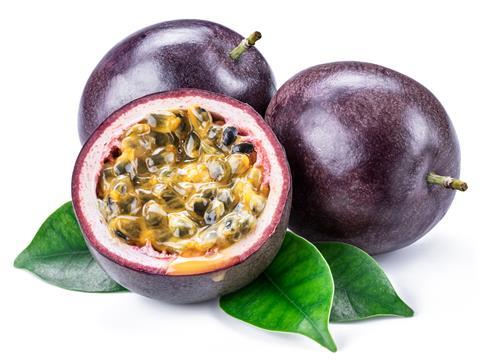
Dragon fruit, cape gooseberry and passion fruit have all been identified as products with the potential to boost their presence on UK supermarket shelves.