Banana and shrimp industries ask government to include exceptions in the latest curfew to prevent production from grinding to a halt
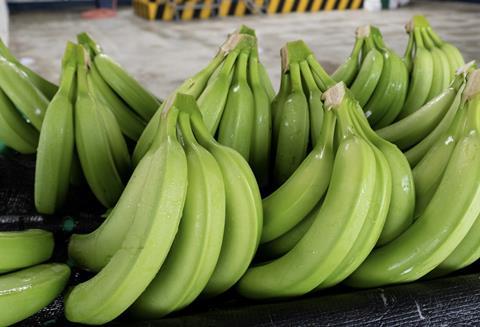
Ecuadorean banana growers and exporters have asked the government to exempt them from a nighttime curfew set to come into force next month in order to allow them to maintain the supply of the fruit without disruption.
The measure – part of a broader government crackdown on escalating gang and drug-related violence – is causing concern among sectors that depend on the continuity of operations to fulfil international contracts and maintain the supply chain.
As reported in Expreso, José Antonio Hidalgo, executive director of the Association of Banana Exporters of Ecuador (Aebe), said that while the organisation supports actions to combat insecurity, these should not affect productive sectors that generate employment and foreign exchange.
Hidalgo pointed out that the last mobility restriction, applied from 15-30 March, had serious impacts for the banana sector, resulting in a 32 per cent reduction in operations, logistical losses, spoilage of perishable cargo, and cancellation of international contracts.
The banana cluster, which brings together the country’s producers and exporters, warned that around 250,000 jobs depend on the continuity of these operations, which are fundamental to sustaining the national economy.
The latest curfew is due to run from 3-18 May and will be enforced between 11pm and 5am in territories with high rates of violence and key drug trafficking routes. These include Guayas, Manabí, Santa Elena, Santo Domingo de los Tsáchilas, Los Ríos, Pichincha, Esmeraldas, Sucumbíos, and El Oro. Also included are the municipalities of La Maná (Cotopaxi), Las Naves and Echeandía (Bolívar), and La Troncal (Cañar).
During the last curfew, only police, military personnel, and healthcare workers were permitted free movement. However, the Constitutional Court later ordered that the work of the press and international organisations also be guaranteed during those hours.
The curfew is part of president Daniel Noboa’s crackdown on criminal gangs, which are classified as terrorist groups. Last year was the most violent year in the country’s history, with a record 9,269 homicides.