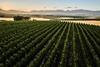
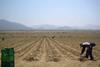
ProHass warns production could fall by as much as 45 per cent next year, with farms in north of country particularly badly hit
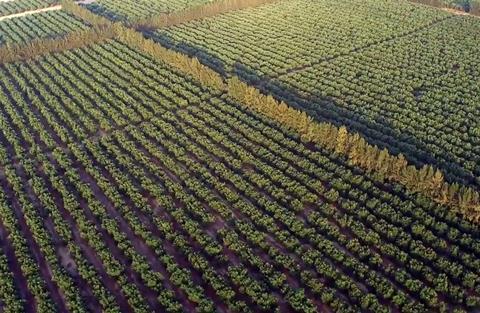
The Association of Hass Avocado Producers and Exporters of Peru (ProHass) says the that high temperatures recorded this year because of El Niño could lead to a 45 per cent decline in avocado production next year compared with 2026.
With temperatures more than 6°C above the seasonal average recorded in some places, growers have reported heat stress in orchards, which has particularly impacted trees during the crucial flowering and fruit-setting stages.
“High minimum and maximum temperatures, intense solar radiation, and increased evapotranspiration are compromising the processes of flowering, fruit setting, and fruit development, which could significantly impact the production potential for the 2027 season,” ProHass said.
According to initial forecasts, national Hass avocado production could see a decline of up to 45 per cent compared to the 2026 season, with orchards in the northern part of the country expected to face the most severe impacts.
ProHass noted that approximately 40 per cent of Peru’s total Hass avocado cultivation area is concentrated in the northern coastal regions – one of the areas most exposed to these climatic conditions. It said this scenario poses a significant challenge for the Peruvian avocado industry, affecting producers, jobs and the various stakeholders throughout the agricultural export supply chain.
Given the severity of the situation, the association has called for coordination between the public, private, and academic sectors to be strengthened in order to promote knowledge exchange and develop adaptation and mitigation strategies.
“These measures will help reduce the impact of climatic conditions and safeguard the sustainability and competitiveness of the Peruvian industry,” it said.
ProHass added that it would release a more precise estimate on the potential impact of El Niño in February or March of next year.
The association also announced that on 3 December, it will host a virtual discussion to analyse the current climatic conditions, their impact on production, and mitigation strategies with the support of its member companies and the National Agrarian University La Molina (UNALM).