New Waitrose report suggests weight loss drugs drive demand for strawberries, legumes and gut-friendly foods, as growers urged to adapt or risk growing for ‘yesterday’s diet’
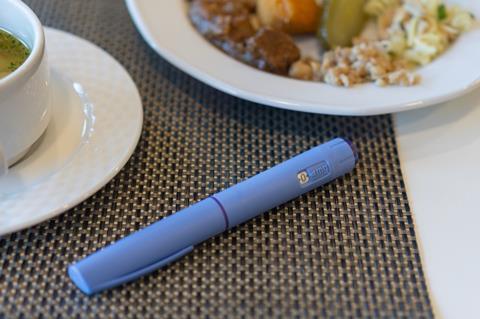
GLP-1s are reshaping the UK’s grocery shopping habits, according to Waitrose’s Food & Drink Report 2026, bringing opportunities for the fresh produce sector to adapt to changing consumer demand.
The report found particularly strong demand for fresh produce items such as strawberries, legumes and sweetcorn as consumer behaviour continues to reflect the impact of the drugs on grocery spend.
John Barrett, chief agricultural officer at AF, said shifting dietary habits could be a lasting change in demand, not a “passing fad” that farmers can ignore.
“Growing for yesterday’s diet could be an increasingly big risk if eating habits continue to take the current direction.”
Strawberries and legumes lead surge
The report revealed that punnets of strawberries were the most-ordered emergency item of 2026, and searches for organic sweetcorn increased by 144 per cent and 219 per cent for tinned sweetcorn.
It also found that more than 40 per cent of Waitrose customers eat beans, lentils and chickpeas at least twice a week, with sales of jarred beans soaring 53 per cent in the past year.
“Shoppers are learning towards foods that keep them full for longer,” said Barrett. “This may present an opportunity for growers, however we aren’t currently seeing an increase in farm gate values.
“Ultimately, if growing a crop doesn’t make a margin, farmers are unlikely to grow it,” he continued.
Creating better growing conditions for legumes and pulses will likely be vital for the future, he added. “This year we saw the worst ever yield of vining peas because of the lack of spring moisture, so drought tolerance is going to be key to successful future crops.”
“These crops carry greater growing risks, so they need to offer a sufficient financial reward to make them commercially viable,” he added.
Appeal lies in excitement and viral trends
The retailer’s report also identified that products with integrated fruit such as Waitrose’s Mixed Berry, Mango and Passionfruit Kefir Yogurts were bestselling gut health products.
It also found that ’Eat your skincare’ social media trends, which have raked in over 150mn views, had boosted sales of carrot juice, which contains beta carotene, by 39 per cent.
Laura Jacobson, retail futures senior partner at IGD, said the report offered “compelling opportunities for fresh produce”, with a chance to make healthy eating exciting, not just sensible.
“The GLP-1 conversation is accelerating interest in nutrient-dense eating, sharpening the opportunity for fresh produce to make smaller portions count, with fibre and nutritional value at the heart of its appeal.
“Viral food trends, a craving for crunch and bold international flavours offer fresh produce new routes into shoppers’ repertoires, from snackable formats to globally inspired meal ideas,” she added.
Weight loss drug-use continues to climb
The report comes as recent data from Worldpanel by Numerator found that UK households with a GLP-1 user collectively spent £1bn less on groceries than expected, compared to similar households.
The data shows an increase from £780mn in June this year, equating to an average of £389 a year being displaced from shopping baskets of those using the drugs.
GLP-1 users now live in 8.5 per cent of British households – surpassing homes with vegetarians and pescatarians combined.