Corbana’s updated material incorporates technical and scientific advances for more efficient crop management in Costa Rica
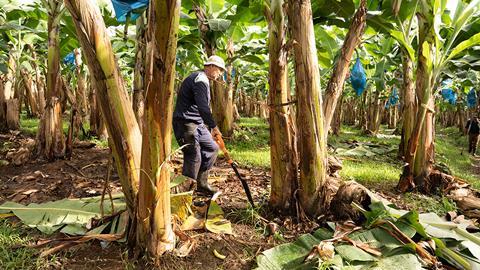
The National Banana Corporation of Costa Rica, Corbana, has presented the second edition of its Manual of Good Agricultural Practices in Banana Cultivation, a comprehensive guide compiling up-to-date knowledge to optimise crop management on farms.
The new publication coincides with Corbana’s 55th anniversary and updates the previous version – released in 2011 –nby incorporating scientific advances, technological innovations, and lessons learned in the field over recent decades. The document was developed by professionals from Corbana’s Technical Assistance and Research Directorates, consolidating the sector’s technical expertise into a single reference resource.
The manual comprises seven chapters covering every stage of the production process. It offers practical recommendations aimed at improving yield and fruit quality, while also ensuring compliance with national and international standards regarding biosecurity and sustainability.
“This new edition reflects the evolution of technical knowledge in banana cultivation. More than just documenting practices, it seeks to provide the sector with a clear, evidence-based guide that supports field-level decision-making and contributes to enhancing the crop’s environmental, economic, and social sustainability,” said Marcial Chaverri, general manager of Corbana.
Banana production in Costa Rica involves agro-industrial processes that evolve alongside technology. In this dynamic environment, Corbana said research, development, and technology transfer are essential to maintaining and refining effectiveness and efficiency at every stage of the process. Hence the importance of updating everything from the most basic agricultural techniques to the most innovative practices.
Erick Bolaños, Corbana’s director of technical assistance, commented: “The manual plays a fundamental role as a reference tool that guides and aligns agricultural practices with the industry’s current conditions and needs. Its day-to-day application enables progress toward more efficient production across all farms”.