Resilience to pests and diseases emerged as top priority for new gene edited traits, with improved profitability as a key motivator for UK farmers and growers
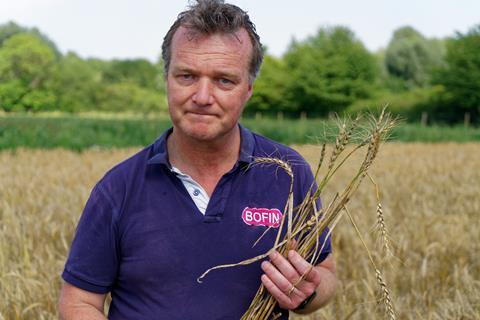
Eight out of ten farmers (82 per cent) are positive about the use of gene editing in crops, and 78 per cent would consider growing them on their farm within five years, according to a new survey from the Defra-funded PROBITY project.
Support rose further after respondents read an explanation of the technology, with 90 per cent expressing a positive view.
PROBITY – A Platform to Rate Organisms Bred for Improved Trait and Yield – is a three-year farmer-led project led by the British On-Farm Innovation Network (BOFIN).
Gene editing technology like CRISPR-Cas9 can accelerate plant breeding by making targeted changes to the organism’s own native DNA.
Precision breeding uses gene editing to create traits that could have occurred naturally or through traditional breeding, without adding foreign DNA.
The Genetic Technology (Precision Breeding) Act 2023 allowed for the release and marketing of certain gene-edited plants, making England the only country in Europe where this novel material can be grown in farmers’ fields.
Genetically modified organisms (GMOs) on the other hand, typically inserts foreign DNA from a different species into an organism.
The survey highlights a sector increasingly under pressure from climate change and rising costs, the vast majority of UK crops including brassicas, potatoes and salad crops faced a challenging summer of extreme heat, drought and pest pressure
Pest and disease tolerance was seen as the highest priority for new traits, with 96 per cent were positive about its use to improve climate resilience and 91 per cent to increase yields.
The most common motivation for growing gene edited crops was improved profitability, cited by 69 per cent of respondents.
This was followed by improved nutrient efficiency and fertiliser reduction (56 per cent), reduced pesticide use (50 per cent) and improve drought and climate resilience (37 per cent).
Some gene-edited crops in the UK, such as non-browning bananas, virus-resistant potatoes and vitamin-enriched tomatoes currently have marketing notices on Defra’s precision breeding register. These crops must be granted approval from the Food Standards Agency before being marketed for sale.
However, the most frequently identified barrier was buyer and market acceptance, and over two thirds of respondents indicated they favour some sort of labelling of gene-edited foods.
PROBITY is taking three precision-bred cereal lines through the required legislative processes and into on-farm trials in England.
Tom Allen-Stevens, managing director of BOFIN and PROBITY project lead, said: “It is encouraging to see that growers recognise the potential benefits of gene-edited crops which highlights the need to trial them on farms to see if they deliver, and to assess the anticipated challenges over market acceptance too.
“As the first to bring these crops onto commercial farms we are in uncharted territory so a continued open dialogue is essential,” he added.
The survey, led by the University of Nottingham and run by market research agency Grounded Research, explored the views of over 100 farmers from varied businesses across the country.