Ahead of World Water Day on 22 March, AH Worth’s farms director Katie Ford explains how the veg producer is reducing its exposure to water risks by building diversity and resilience into its production methods
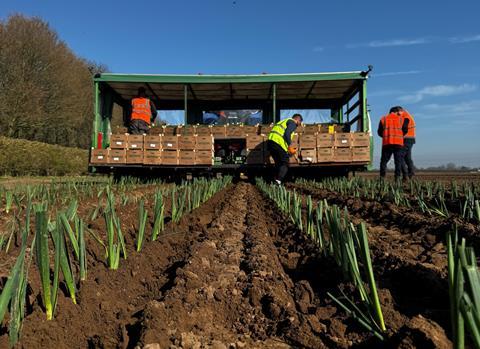
You can have the best soil, the best seeds and the best equipment, but without water at the right time and in the right quantities, you have nothing.
In our spinach and leek operation across Lincolnshire, this isn’t theory; it’s daily reality. As we approach World Water Day on 22 March, it feels timely to reflect on our complex, evolving relationship with this most critical resource.
Every leaf of spinach and gram of leek begins with water – clean, reliable and delivered exactly when the crop needs it. Our customers depend on consistent quality, and that depends on something we cannot control: the weather. Irrigation shapes cell structure, nutrient uptake, flavour development, crop uniformity, and shelf life. When water is plentiful and clean, crops thrive. When scarce or inconsistent, even the best farming practices cannot compensate.
From drought to deluge
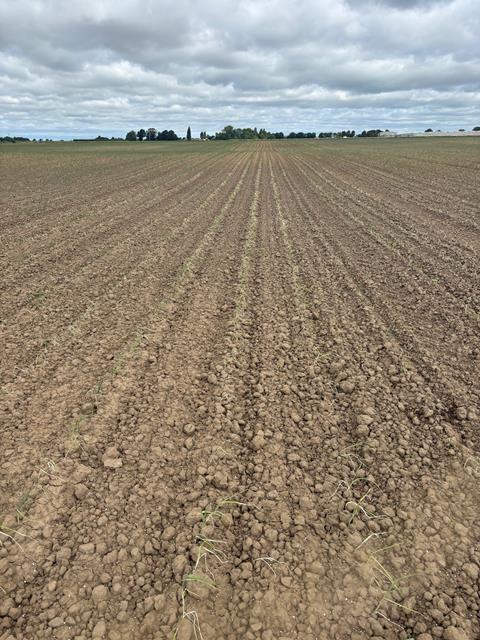
The challenging truth of farming in a changing climate is that risks now sit at both extremes. Too little rain brings the threat of irrigation bans and dwindling reserves. Too much rain brings waterlogging, oxygen starvation in roots, machinery restrictions, and increased disease pressure. The ‘just right’ window for water availability feels narrower every year.
During drought conditions, every millimeter of water becomes precious. We calculate, we prioritise, we make difficult decisions. The stress isn’t just on the plants – it’s on every person in our business who understands what’s at stake.
But excessive rainfall brings its own devastation. Waterlogged soil means we cannot access fields with machinery. Roots suffocate. Fungal diseases spread. And paradoxically, even with water everywhere, our crops can suffer from nutrient deficiencies because waterlogged soils cannot deliver what plants need.
Responding with diversity and resilience
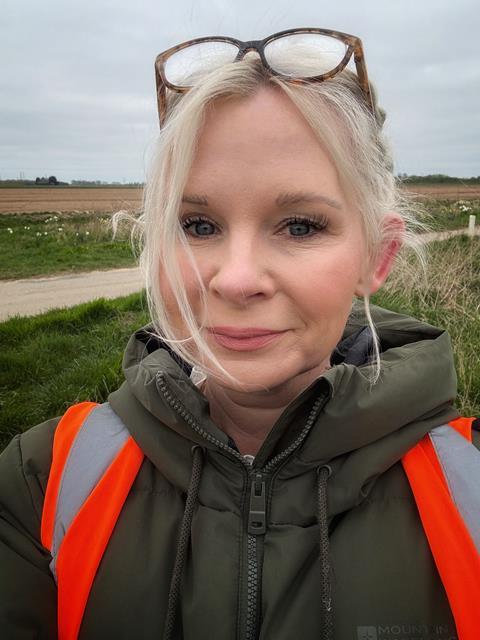
We’ve learned that we cannot rely on a single water source, just as we cannot rely on a single weather pattern. This is why we now grow across multiple locations in the Lincolnshire area. Each location has different water sources, different soil types, different microclimates.
This diversity is our insurance policy. When one area faces an irrigation ban, others may still continue. When heavy rains flood one field, others on better-draining soil fare better. When we have a hailstorm in one location that destroys our tender spinach crop, we have other locations ready to harvest. It’s not perfect – nature doesn’t offer perfect solutions –but it’s the best strategy we have for ensuring continuity in an increasingly unpredictable climate.
This approach requires more planning, more logistics, more complexity, but the alternative generates risks we simply cannot afford.
Climate change is with us now
Climate change is no longer a future projection; it is woven into every season. Spring rains arrive late or not at all, summer droughts intensify, and autumn/winter storms are more frequent. Water resilience has become a survival strategy.
We invest in better irrigation technology, apply for reservoir permissions, harvest rainwater, explore wastewater recycling, and track weather data more closely than ever. But technology alone is not enough. Long-term policy and water infrastructure must evolve to support agricultural water security.
We need to plan not for the climate we remember, but for the climate we’re facing.
For those who work in our fields, these challenges are real and immediate. During drought, irrigation systems must be moved constantly. During wet periods, crops suffer and fields become inaccessible. The stress of watching forecasts is ever-present. Yet there is also reward – crops responding beautifully to timely irrigation, rain arriving just when needed, and the pride of maintaining quality even in difficult seasons.
Looking forward
As we mark World Water Day this year, I find myself both concerned and cautiously optimistic. The challenges are real and growing but we’re learning, adapting, and building resilience into every aspect of our operation.
We’re part of an agricultural community that understands these challenges intimately and share knowledge and learnings. Diversification strategies and long-term investment plans in increased water storage are not just good for our business; it’s good for food security in our region.
Water will always be the foundation of what we do. Our job is to respect it, manage it wisely, and build systems that can work with nature’s variability rather than against it.
Ultimately, our relationship with water remains simple: we need it – clean, reliable, and available at the right time. Everything else we do exists to bridge the gap between what nature provides and what our crops require. Some years the gap is small; others it widens dramatically. But every season teaches us more about resilience, adaptation, and the profound importance of water.